What the $310B Stablecoin Market Reveals About Real Crypto Adoption in 2024
The $310 Billion Signal: Stablecoins Move Beyond Hype to Utility
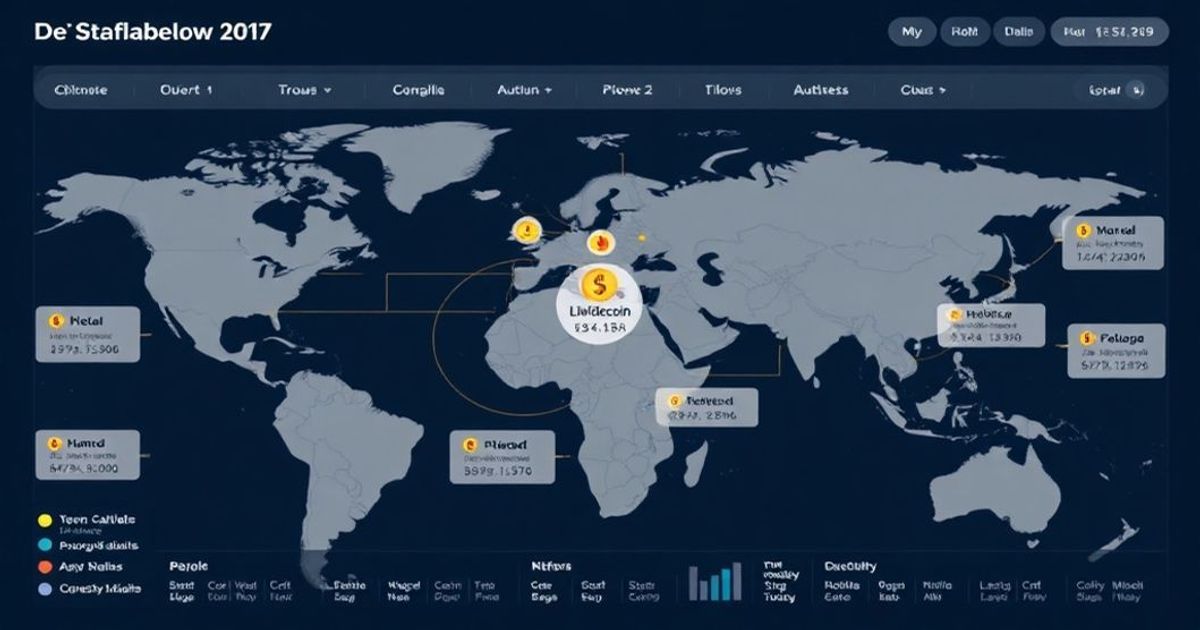
The total stablecoin market capitalization has surged past $310 billion, a figure that represents more than just a milestone—it's a fundamental shift in the narrative of cryptocurrency adoption. For years, crypto adoption was measured by Bitcoin's price or the speculative frenzy in altcoins. Today, the quiet, relentless growth of dollar-pegged digital assets tells a different story: one of pragmatic utility solving real-world financial problems. This market, larger than the GDP of many nations, is no longer a niche experiment. It is a critical piece of global financial infrastructure, and its growth reveals where crypto's true value is being realized first: in bridging the gaps of the traditional financial system, particularly for emerging markets and the digitally native economy.
Key Takeaways
- The $310B stablecoin market is a direct measure of real-world utility and demand, not speculative hype, acting as the primary on-ramp and settlement layer for global crypto commerce.
- Emerging markets are driving adoption, using stablecoins for cross-border remittances, inflation hedging, and accessing dollar-denominated savings outside broken local systems.
- For traders, stablecoins are now the central liquidity pair and risk management tool, with their flows providing leading indicators for broader market sentiment and capital rotation.
- This growth forces a regulatory reckoning and signals that the future of finance will be built on programmable, borderless money, with stablecoins at its core.
Decoding the Demand: Where is the $310 Billion Actually Flowing?
The capital isn't sitting idle. Analysis of on-chain data reveals three primary use cases fueling this expansion:
1. The Engine of Decentralized Finance (DeFi)
Stablecoins are the lifeblood of DeFi. They serve as the primary trading pairs on decentralized exchanges (DEXs), the collateral for lending protocols, and the base asset for yield-generating strategies. The $310 billion figure represents the core liquidity layer that allows DeFi to function 24/7 without traditional banks. This creates a parallel financial system where capital efficiency and accessibility are paramount.
2. Cross-Border Commerce and Remittances
This is where the emerging market narrative becomes undeniable. For individuals in countries with volatile currencies or restrictive capital controls, stablecoins offer a lifeline. A worker can receive USDC or USDT from an employer abroad in minutes for a fraction of the cost of a SWIFT transfer. This bypasses expensive intermediaries and provides immediate access to a dollar-equivalent asset, preserving purchasing power.
3. On-Chain Treasury Management for Businesses
From crypto-native firms to tech startups, businesses are increasingly holding portions of their treasury in stablecoins. This allows for instant settlement with global partners, earning yield in DeFi protocols, and maintaining operational agility. It's a move from stagnant bank accounts to programmable, productive capital.
What This Means for Traders
The stablecoin market is no longer just a safe haven; it's the most important dashboard for a crypto trader.
- The Ultimate Sentiment Gauge: Massive inflows into stablecoins (increasing aggregate supply) often signal "dry powder" waiting on the sidelines. Conversely, a decreasing stablecoin supply can indicate capital is being deployed into volatile assets like Bitcoin and Ethereum, often a precursor to bullish moves.
- Liquidity is King: The depth of stablecoin liquidity pools on DEXs like Uniswap directly impacts your trade execution and slippage. Major economic events can cause temporary liquidity crunches. Monitoring total value locked (TVL) in key pools is essential.
- Arbitrage Opportunities: Deviations from the $1.00 peg, especially for major stablecoins like USDC or DAI, present short-term arbitrage opportunities. These events, while often small, are signals of market stress or inefficiencies.
- Chain-Specific Analysis: Watch where stablecoins are migrating. A surge of USDC onto a new Layer 2 blockchain, for example, can be a leading indicator of where the next wave of DeFi activity and speculative trading will occur.
The Emerging Market Catalyst: Adoption Out of Necessity
The source context hits the core truth: emerging markets are not adopting crypto for ideological reasons; they are adopting it for survival and opportunity. In nations like Nigeria, Turkey, or Argentina, local currency volatility can erase savings. Stablecoins provide a digital dollar account accessible with only a smartphone. This is financial inclusion in its most direct form—access to a global, stable store of value without needing permission from a local bank. This grassroots, utility-first adoption is far more sticky and sustainable than speculative trading alone.
Regulatory Crossroads and Future Evolution
The $310 billion market cap is a number regulators cannot ignore. It ensures that stablecoins will be a central focus of crypto legislation worldwide. Traders must watch for:
- Reserve Transparency: A push toward fully audited, high-quality reserves (like short-term Treasuries) for centralized stablecoins.
- DeFi Implications: How regulations on issuers like Circle (USDC) or Tether (USDT) could impact their use within permissionless protocols.
- The Rise of Alternatives: Growth in decentralized, over-collateralized stablecoins (like DAI or LUSD) as a counterpoint to centralized models.
Conclusion: The Foundation for the Next Cycle
The $310 billion stablecoin market is the bedrock upon which the next phase of crypto will be built. It confirms that adoption is transitioning from "fear of missing out" to "tools for financial empowerment." For the global trader, stablecoins are now the essential plumbing—the settlement asset, the liquidity source, and the key risk management tool. As this market grows to $500 billion and beyond, its composition and flow will offer the clearest map of where capital sees real value in the digital economy. The hype cycles will come and go, but the demand for fast, cheap, borderless, and programmable money is permanent. The stablecoin milestone proves this demand is not only real but is already being met at a staggering scale.