Wall St Opens Flat Ahead of Christmas Break 2024
Key Takeaways
U.S. stock indices opened with minimal movement in a pre-holiday session characterized by thin trading volumes and a notable lack of major catalysts. This muted start reflects a market in a holding pattern, with investors largely sidelined ahead of the extended Christmas break. The flat open consolidates recent gains and sets the stage for potential volatility in the final trading days of the year.
A Quiet Start to a Holiday-Shortened Week
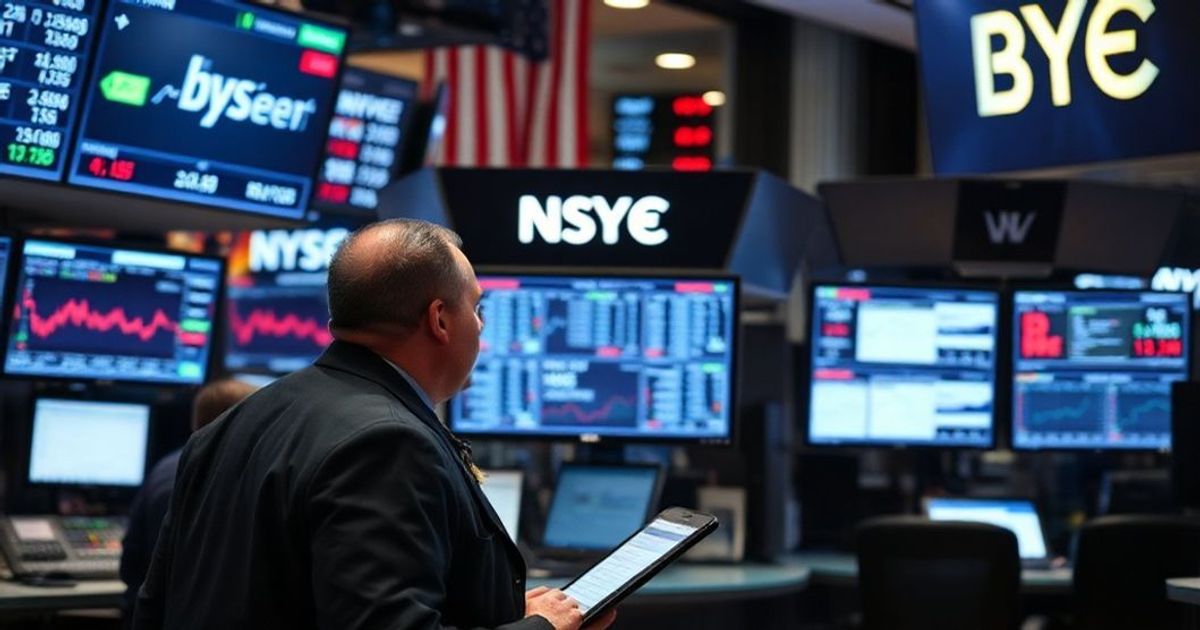
As traders trickled back to their desks on Monday, Wall Street greeted them with a whisper, not a roar. The S&P 500, Dow Jones Industrial Average, and Nasdaq Composite all hovered near the unchanged mark at the opening bell, signaling a collective pause in market momentum. This subdued activity is a hallmark of the final full trading week of the year, where institutional participation dwindles and retail flow often dictates minor price movements. The trading floor's energy is palpably lower, with many major fund managers having already closed their books for 2024, content with yearly performance and unwilling to initiate significant new risk ahead of the holiday.
The Drivers (and Lack Thereof) Behind the Flat Open
The absence of a directional catalyst is the primary story. Several factors contributed to the stagnant open:
- Economic Data Vacuum: The calendar leading into Christmas is notoriously light on high-impact economic releases. With no major inflation prints, employment data, or Federal Reserve speeches scheduled, the market lacked fundamental fuel to drive a sustained move in either direction.
- Portfolio Positioning: The "Santa Claus Rally"—a seasonal tendency for stocks to rise in the last week of December—has already been partially priced in following a strong November and early December. Traders are now in a period of consolidation, locking in profits and rebalancing portfolios without aggressive new bets.
- Global Market Cues: Overseas markets also offered little inspiration. European bourses were mixed and quiet, while Asian markets had closed earlier with minimal change. Without a strong lead from international peers, U.S. indexes had no external momentum to latch onto.
- Liquidity Crunch: Trading volumes are expected to be well below average throughout the week. This thin liquidity can sometimes amplify moves, but in the absence of news, it more often leads to tight, range-bound action as the market awaits fresh participation.
What This Means for Traders
A flat open in a holiday-thinned market is not a signal to disengage, but rather a cue to adjust strategy. The conditions present unique opportunities and risks that active traders must navigate.
Actionable Insights for the Trading Desk
- Embrace the Range, But Guard the Borders: Expect indices and major stocks to trade within well-defined ranges. This environment is suited for short-term, mean-reversion strategies. Look to sell near the top of the established range and buy near the bottom, but use tight stop-loss orders. The low volume means that any breakout from the range, though less likely, could be swift and decisive if it occurs.
- Focus on Stock-Specific Stories: With macro drivers on hiatus, individual company news will have an outsized impact. Be alert for any last-minute corporate announcements, tax-related selling, or unusual options flow that could move single stocks significantly, even while the broader market sleeps.
- Manage Liquidity Risk Meticulously: Entering and exiting positions in a low-volume market requires extra caution. Market orders are riskier due to potentially wider bid-ask spreads. Use limit orders to control your entry and exit prices. Be aware that filling larger-sized orders may be more difficult and could move the price against you.
- Prepare for a "Gamma Squeeze" or "Melt-Up" Scenario: The combination of low volume and a market heavily positioned for a quiet week can be a trap. A sudden, unexpected headline—geopolitical or otherwise—could trigger a disproportionate move as automated systems react and trapped shorts scramble to cover. While not a base case, having a plan for sudden volatility is prudent.
- Review and Plan, Don't Just React: Use the quieter price action to conduct year-end reviews. Analyze your 2024 performance, assess your risk management protocols, and begin planning strategic setups for the first quarter of 2025. This is a time for analysis and preparation, not impulsive action.
Sector Watch in a Dormant Market
Even in a flat market, subtle rotations occur. Defensive sectors like Utilities and Consumer Staples may see slight inflows as a placeholder for cautious capital. Conversely, high-beta Technology and growth stocks may exhibit slightly more volatility due to their sensitivity to shifts in sentiment, however minor. Keep an eye on the Volatility Index (VIX); a flat market with a creeping VIX can signal underlying trader anxiety and be a precursor to movement.
Looking Beyond the Holiday Lull
The quiet open is a temporary interlude, not a new market regime. All eyes are already shifting to the horizon of early 2025. The first week of January will bring a rapid return of major market participants and a flood of crucial data, including the December jobs report and minutes from the Federal Reserve's last policy meeting. The trends established in November and December—whether driven by expectations for interest rate cuts, earnings resilience, or economic soft-landing narratives—will be put to the test.
In conclusion, Wall Street's flat open ahead of the Christmas break is a rational, seasonal pause. It reflects a market in equilibrium after a consequential year, with players conserving energy for the battles to come. For the trader, it is a week demanding tactical discipline, heightened risk awareness, and strategic foresight. The silence on the tape is not an absence of opportunity but a different kind of challenge—one that rewards patience, precision, and preparation for the volatility that inevitably returns with the new year.