Venezuela Enacts Anti-Piracy Law, Condemns US 'Blockade' Following Oil Ship Seizures
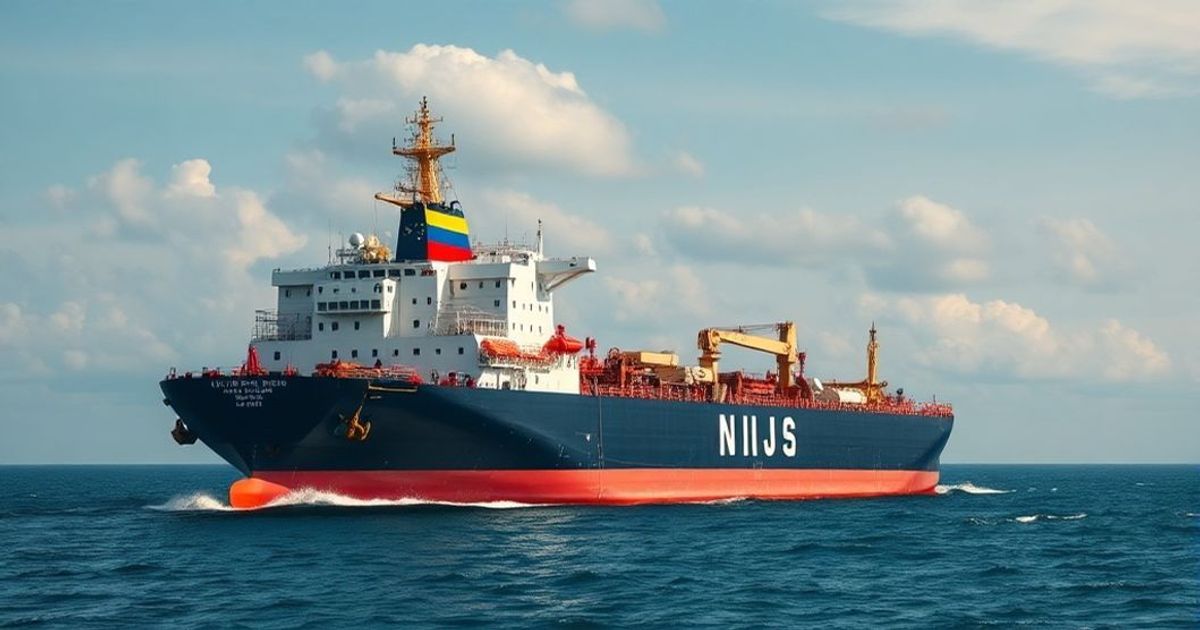
Venezuela Bolsters Legal Defenses Against Maritime Threats
The Venezuelan National Assembly has passed a new "Law Against Piracy, Blockades, and Maritime Terrorism," a move widely seen as a direct response to recent seizures of Venezuelan oil tankers by the United States. The legislation aims to create a robust legal framework to counter what Caracas describes as illegal acts of aggression and economic warfare in international waters.
A Response to US Enforcement Actions
The law's passage follows a series of high-profile incidents where US authorities have detained vessels carrying Venezuelan crude oil, citing sanctions evasion. Venezuela, whose economy remains heavily dependent on oil exports, condemns these actions as a form of "illegal blockade" and modern-day piracy designed to cripple its national income.
The new statute provides the Venezuelan state with enhanced legal tools to prosecute individuals and entities involved in the interception or diversion of its vessels. It also mandates the Bolivarian National Armed Forces to take "all necessary measures" to protect Venezuelan-flagged ships and cargo from what it terms hostile acts.
Geopolitical Tensions Escalate
Analysts suggest the law formalizes Venezuela's legal and rhetorical position in its ongoing confrontation with Washington. "This is less about prosecuting actual pirates and more about creating a documented, legal basis for retaliation and for rallying international opinion against US sanctions," said a regional geopolitical risk advisor.
The Venezuelan government has stated it will use the law to pursue cases in international courts and seek reparations for losses incurred from seized shipments. The move underscores the deepening rift between the two nations and signals Venezuela's intent to challenge US economic pressure through legal and political channels, potentially further complicating maritime commerce in the Caribbean basin.