U.S. Delays China Chip Tariffs Until 2027 in Bid to Stabilize Trade Relations
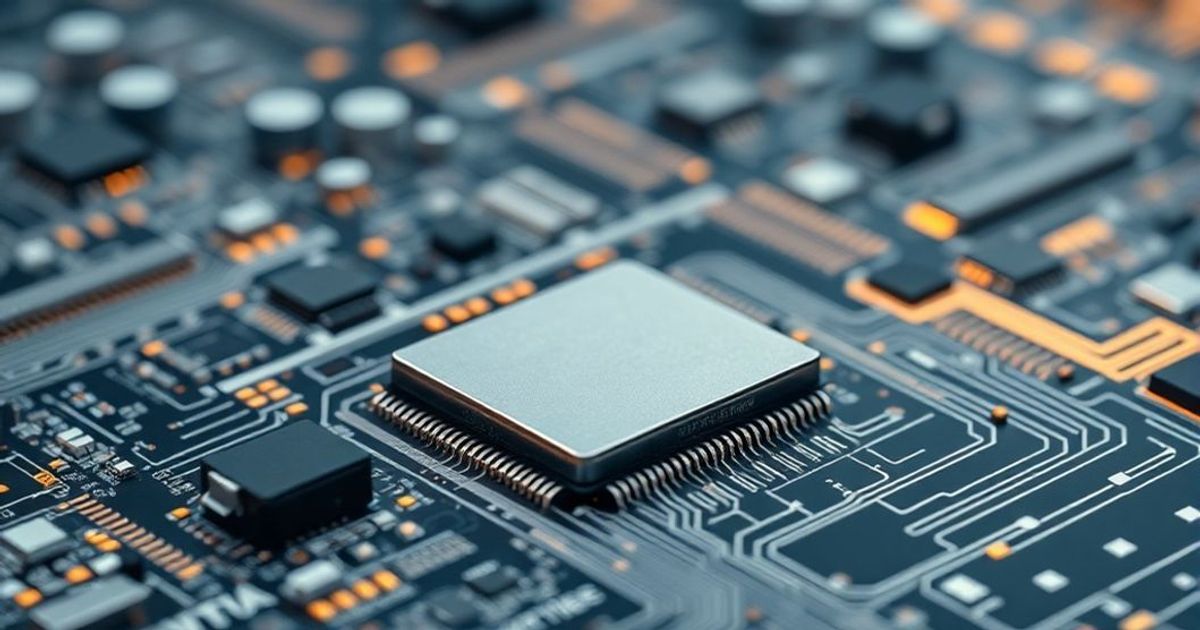
Strategic Pause in Tech Trade War
The United States has announced a significant delay in imposing tariffs on Chinese semiconductor imports, pushing the effective date to June 2027. The decision follows a year-long Section 301 investigation that concluded China's industrial policies represent an unreasonable burden on U.S. commerce, but the Biden administration has opted for strategic timing over immediate action.
Calibrated Approach to Trade Tensions
The Office of the U.S. Trade Representative confirmed that tariffs targeting Chinese "legacy" or older-generation chips will proceed, but not until mid-2027, with the exact tariff rate to be announced at least 30 days before implementation. This three-year delay preserves Washington's leverage while creating breathing room in sensitive U.S.-China negotiations.
"This move represents a calibrated approach to managing one of the most critical technology relationships in the world," said a trade policy analyst. "By delaying enforcement, the administration maintains pressure on Beijing while avoiding immediate escalation that could disrupt global supply chains."
Broader Negotiation Context
The tariff delay coincides with parallel negotiations between Washington and Beijing:
- China has recently imposed export curbs on rare earth metals essential for technology manufacturing
- The U.S. has delayed restrictions on technology exports to certain Chinese firms
- Washington is reviewing potential shipments of advanced chips, including some from Nvidia
China responded to the tariff announcement with strong opposition, warning that "politicizing trade and technology will disrupt global supply chains and ultimately prove counterproductive." Beijing indicated it would take necessary steps to defend its interests if tariffs were ultimately imposed.
Long-Term Implications
Separately, the semiconductor sector is monitoring a potentially broader Section 232 investigation that could lead to tariffs on chips and chip-containing products from multiple countries. While such action remains possible, U.S. officials have indicated it's unlikely in the near term.
The 2027 timeline effectively pushes the tariff decision into the next presidential administration cycle, creating both near-term stability and longer-term uncertainty for companies navigating the complex U.S.-China technology relationship.