Trump's Fed Chair Search Intensifies: Christopher Waller Emerges as Strong Contender After 'Impressive' Interview
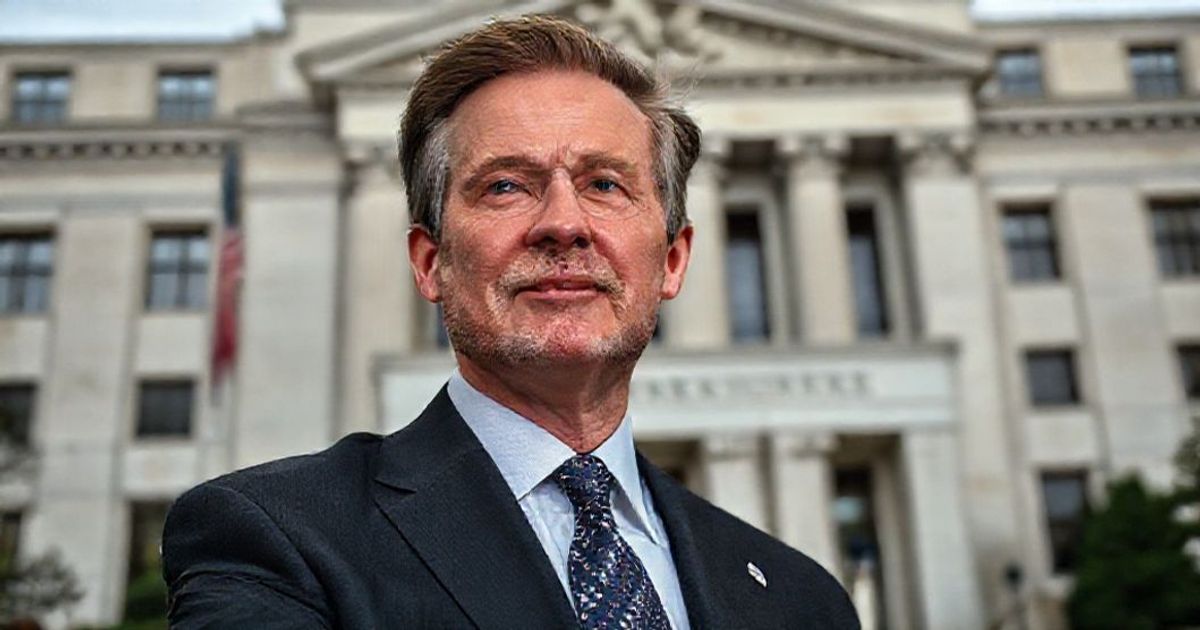
Fed Governor Christopher Waller Gains Momentum in High-Stakes Leadership Race
Federal Reserve Governor Christopher Waller has reportedly delivered what internal officials described as a "strong interview" during discussions about potentially succeeding Jerome Powell as Chair of the Federal Reserve, according to sources familiar with the selection process. The development comes as former President Donald Trump, who appears increasingly likely to return to the White House, shifts his focus toward economic appointments that could shape monetary policy for years to come.
Job Market Takes Center Stage in Trump's Economic Agenda
Sources indicate Trump's team is placing particular emphasis on the Federal Reserve's approach to the labor market as they evaluate potential candidates. This renewed focus on employment metrics suggests the next Fed chair may face different priorities than the current inflation-focused mandate that has dominated recent policy decisions.
While Waller's performance has drawn positive reviews from those involved in the vetting process, officials caution that the favorable assessment does not necessarily position him as the frontrunner. Multiple candidates remain under serious consideration, and the final decision will likely depend on several factors including:
- Alignment with Trump's economic vision and policy priorities
- Perceived independence from political pressures
- Experience navigating complex economic conditions
- Ability to build consensus within the Federal Open Market Committee
A Delicate Balance: Monetary Policy in a Changing Political Landscape
The selection process highlights the delicate intersection of monetary policy and presidential politics. Waller, who joined the Fed Board of Governors in 2020, has generally been viewed as leaning toward more hawkish positions on interest rates, though he has shown flexibility in response to evolving economic data.
Market analysts are closely watching the developments, aware that leadership changes at the world's most influential central bank could signal shifts in monetary policy direction. The timing is particularly sensitive as the U.S. economy navigates persistent inflation concerns while attempting to maintain employment gains achieved during the post-pandemic recovery.
As the political landscape continues to evolve, all eyes remain on how Trump's economic team will approach one of the most consequential appointments of any presidential administration—one that will help determine interest rates, banking regulation, and economic stability for millions of Americans.