Trump's Crypto Pivot: A 2026 Bailout Promise Reshapes Digital Asset Politics
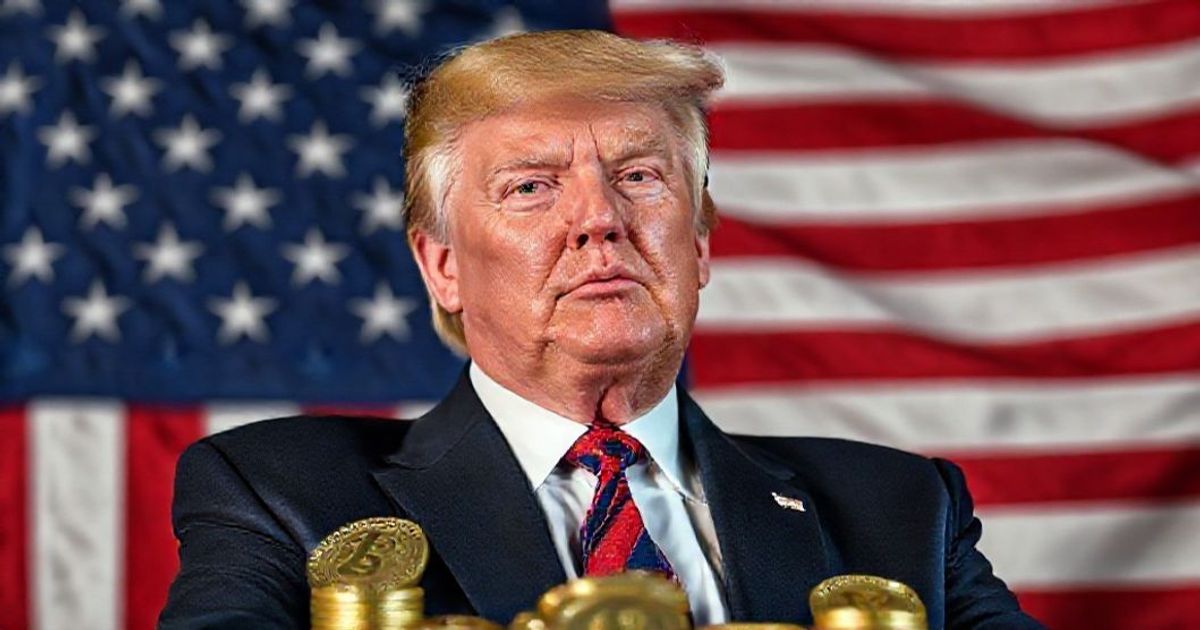
The Political Calculus Behind Trump's Crypto Gambit
In a strategic move that could redefine the regulatory landscape for digital assets, former President Donald Trump has positioned himself as the potential savior of cryptocurrency holders, pledging a form of bailout or regulatory relief by 2026. This promise, emerging amid his latest presidential campaign, marks a dramatic shift from the skepticism that characterized his previous administration's approach to Bitcoin and its counterparts.
From Skeptic to Champion: A Calculated Rebranding
Analysts suggest this pivot is less about a fundamental belief in blockchain technology and more a calculated political maneuver. With an estimated 52 million American adults now holding cryptocurrency, the crypto electorate represents a substantial and increasingly vocal voting bloc. By vowing to "bail out" holders—likely through supportive regulation, tax breaks, or protection from aggressive SEC enforcement—Trump is directly appealing to this group's frustrations with the current Biden administration's more cautious and enforcement-heavy stance.
The promise of a 2026 intervention sets a clear post-election timeline, making support for his campaign a prerequisite for the proposed relief. This strategy effectively frames the upcoming election as a referendum on the future of crypto in America, offering a stark alternative to regulatory uncertainty.
Market Reactions and Regulatory Implications
- Immediate Market Sentiment: The announcement has injected volatility into crypto markets, with some investors interpreting it as a bullish long-term signal for U.S. adoption.
- Regulatory Clarity vs. Overreach: Proponents argue a Trump administration could provide the clear rules the industry craves. Critics warn a "bailout" could mean rolling back essential investor protections and encouraging reckless behavior.
- The 2026 Timeline: This specific date suggests any major legislative or executive actions would occur in the second year of a potential Trump term, allowing time to dismantle existing frameworks.
Whether this pledge represents genuine policy or mere campaign rhetoric remains to be seen. However, it unequivocally places cryptocurrency at the center of the political battlefield, guaranteeing that regulatory philosophy—from laissez-faire to stringent oversight—will be a key issue for voters come November.