Tim Cook Doubles Nike Stake, Backs CEO Hill's Turnaround in 2024
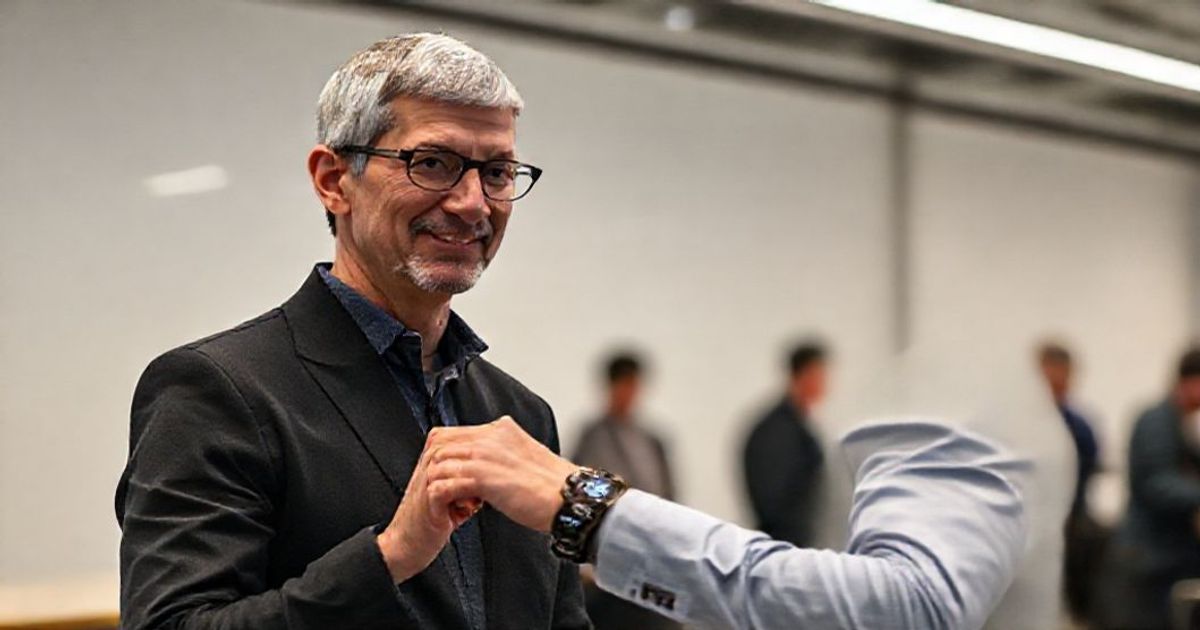
Key Takeaways
- Apple CEO Tim Cook has significantly increased his personal investment in Nike, signaling strong confidence in the company's leadership and strategic direction.
- This move is a powerful endorsement of CEO John Donahoe and the ongoing turnaround plan focused on direct-to-consumer sales and product innovation.
- For traders, this insider action provides a notable signal amid Nike's recent challenges, suggesting a potential inflection point in the company's trajectory.
A Vote of Confidence from a Tech Titan
In a move that has captured the attention of both Wall Street and the retail sector, Apple CEO Tim Cook has reportedly doubled his personal stake in Nike Inc. This substantial increase in investment by one of the world's most prominent executives is far more than a simple portfolio adjustment; it is a resounding vote of confidence in Nike's leadership and its strategic turnaround efforts under CEO John Donahoe. While the exact dollar figure of the increased stake remains private, the symbolic weight of the action is immense. Cook, who has served on Nike's board of directors since 2005, is leveraging his deep, insider understanding of the company to make a bold public statement with his own capital.
This development comes at a critical juncture for Nike. The sportswear giant has faced headwinds including softer demand in key markets, increased competition from brands like On and Hoka, and internal challenges related to its innovation pipeline and wholesale strategy. Cook's decision to double down financially suggests he sees a compelling path through these challenges, likely based on the strategic roadmap being executed by Donahoe and his team.
Decoding the Turnaround Push
CEO John Donahoe's turnaround strategy, which now bears Cook's marked endorsement, is built on several key pillars that traders should monitor closely.
Accelerating the Direct-to-Consumer (DTC) Model: Nike has been aggressively pivoting away from traditional wholesale partnerships, aiming to control more of its customer relationship and margin through its own apps, websites, and stores. This strategy promises higher profitability per sale but requires significant investment and flawless execution in digital commerce and consumer engagement.
Reigniting Product Innovation: A core criticism of Nike in recent years has been a perceived slowdown in groundbreaking product launches. The turnaround plan heavily emphasizes re-establishing technical and design superiority, particularly in performance running and basketball, to reclaim its "must-have" status.
Operational Efficiency and Cost Management: In February 2024, Nike announced a $2 billion cost-saving plan over three years, which includes streamlining the organization and reducing management layers. This initiative aims to free up resources to reinvest in the areas that drive growth, such as product and brand marketing.
What This Means for Traders
Tim Cook's action is a classic example of "insider signaling," but it must be interpreted within the broader market context. For active traders and investors, this news provides several actionable lenses through which to view Nike's stock (NKE).
1. A Contrarian Signal Amidst Uncertainty
Nike's stock has been under pressure, creating a divergence between public market sentiment and Cook's demonstrated conviction. For traders, this can represent a potential contrarian opportunity. When a knowledgeable insider with Cook's stature makes such a definitive move, it often precedes a fundamental re-rating of the stock as the company's strategic efforts begin to bear fruit. Monitoring for confirmation in upcoming earnings reports—such as margin expansion from DTC shifts or a rebound in North American sales—will be key.
2. Evaluating Execution Risk
While the endorsement is powerful, the turnaround is not without risk. Traders should watch key metrics: Gross Margin (impacted by DTC mix and discounting), Inventory Levels (indicative of demand and supply chain health), and SG&A Expenses (reflecting cost control). Any stumble in execution could lead to volatility, creating both entry and exit points. The $2 billion savings plan is a double-edged sword; successful implementation will boost earnings, but missteps could harm morale and innovation.
3. The Partnership Angle: Beyond the Balance Sheet
Cook's investment also reinforces the deep, longstanding strategic partnership between Apple and Nike. From the Nike+ iPod sensor to deeply integrated Apple Watch fitness experiences, this relationship is a tangible asset. For traders, this suggests potential future collaborative product launches or tech integrations that could serve as positive catalysts, driving brand heat and customer loyalty in ways not fully captured on a financial statement.
Strategic Implications for the Broader Market
This move transcends a single stock story. It highlights the growing importance of DTC transformation in the retail and apparel sector. Nike's success or failure in this pivot will be a bellwether for other legacy brands attempting a similar transition. Furthermore, it underscores how strategic board relationships can translate into powerful financial endorsements, offering a unique factor for fundamental analysts to consider when evaluating corporate governance and alignment.
Conclusion: A Long-Game Endorsement with Near-Term Implications
Tim Cook doubling his stake in Nike is a multifaceted signal. It is a testament to his belief in John Donahoe's leadership and the specific, operational turnaround plan now underway. For the market, it serves as a notable data point suggesting that Nike's current valuation may not fully reflect its recovery potential.
Traders should view this not as a guarantee of immediate, explosive growth, but as a strong indicator that the probability of a successful turnaround has increased. The coming quarters will be crucial for Nike to validate Cook's confidence with tangible financial and operational progress. The key for market participants will be to track the execution of the stated strategy—innovation, DTC growth, and cost discipline—while using any market overreactions to short-term news as potential opportunities aligned with a long-term insider's conviction. In a market hungry for signals, Cook has provided a significant one, betting not just on a brand, but on a meticulously planned corporate resurgence.