Tesla's EV Sales Slump Continues as Wall Street Bets Big on Robotaxi Future
Shifting Gears: Tesla's Core Business Faces Headwinds
Tesla's electric vehicle sales have continued their downward trajectory, marking a concerning trend for the company's foundational automotive business. Recent quarterly reports show a significant decline in deliveries, raising questions about demand saturation and intensifying competition in the global EV market.
Wall Street's New Obsession: The Robotaxi Vision
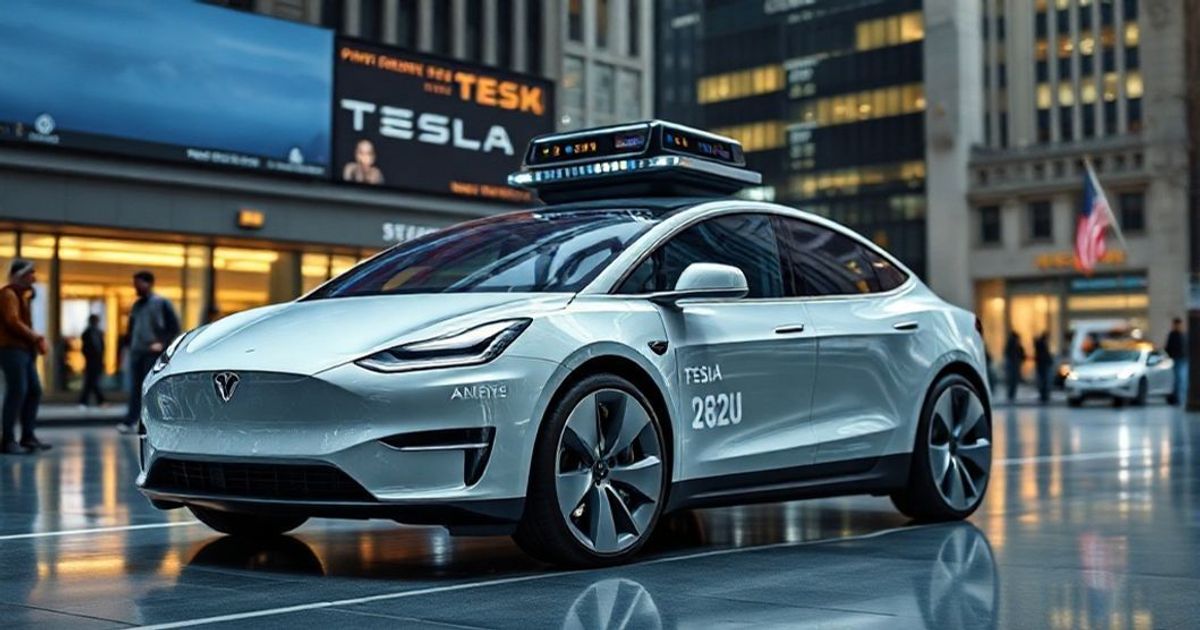
Despite the troubling sales figures, investor sentiment remains surprisingly resilient. Analysts and major financial institutions are increasingly diverting their attention—and capital—toward Tesla's ambitious autonomous driving initiatives. The upcoming unveiling of a dedicated robotaxi platform, dubbed "Cybercab," has become the primary catalyst for the stock's valuation, overshadowing traditional automotive metrics.
This pivot in focus highlights a fundamental shift in how Tesla is being evaluated by the market. The promise of a fully autonomous ride-hailing network, which CEO Elon Musk has touted as the company's primary value driver, is now carrying more weight than current vehicle sales. This bet on future technology over present performance represents a high-stakes gamble for both the company and its investors.
The High-Stakes Gamble on Autonomy
The robotaxi strategy is not without its skeptics. Regulatory hurdles, technological challenges, and safety concerns present significant obstacles to realizing this vision. However, proponents argue that success in this arena could unlock a revenue stream that dwarfs Tesla's current automotive business, justifying the present focus and valuation.
As Tesla navigates this transitional period, the company finds itself at a crossroads: managing a cooling EV market while simultaneously attempting to pioneer an entirely new transportation paradigm. How it balances these dual priorities will likely determine its trajectory for the next decade.