Power Grids Emerge as AI's Next Bottleneck: 2026 Could Redefine the Tech Rally
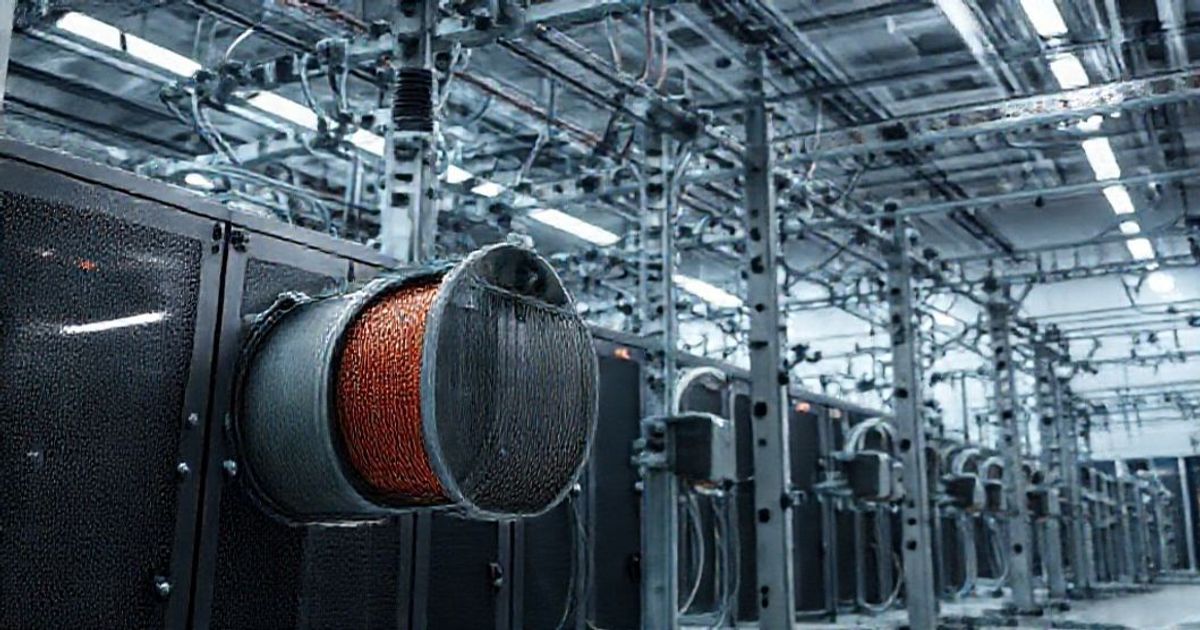
The Hidden Limitation in the AI Boom
The artificial intelligence revolution, which has captivated markets since 2023 with promises of smarter chips and advanced programming, is facing an unexpected and fundamental constraint. According to industry leaders and market analysts, the primary bottleneck is no longer silicon or code—it's electrical power.
A Statement from the Top
Microsoft CEO Satya Nadella recently highlighted the severity of the issue, stating, "The biggest issue we're now having is not a compute glut. It's power. You may actually have a bunch of chips sitting in inventory that you can't plug in... It is actually the fact that I don't have warm shells to plug into." This sentiment underscores a critical shift in the challenges facing tech giants.
The Infrastructure Crunch
The scramble for data center capacity has led to dramatically increased lead times, with some projects now facing waits of five to seven years. This timeline is untenable for an industry moving at breakneck speed. Consequently, major technology firms are being forced to consider becoming their own utility providers to secure the power needed for their AI ambitions.
Risks and Opportunities
This power shortage presents a significant risk for chip manufacturers like Nvidia, which could find itself with warehouses full of advanced semiconductors that cannot be activated due to a lack of electrical infrastructure. Conversely, it creates a monumental opportunity for companies specializing in power management and grid infrastructure.
The New Market Leaders
If 2026 becomes the year the AI narrative pivots to power, firms like Vertiv, Schneider Electric, Eaton, and Siemens could steal the spotlight. Vertiv's stock has already surged over 200% this year, signaling early market recognition. Schneider and Eaton are seen as having a particular edge due to their in-house manufacturing of critical components like circuit breakers.
Broader Commodity Implications
The power grid bottleneck has wider ramifications, potentially triggering a surge in demand for raw materials like copper. The AI industry now finds itself in direct competition with other electrification sectors, such as electric vehicles, for the same finite resources, setting the stage for potential supply crunches and price volatility.