Nomura Warns of Asia's Monetary Policy Split as Region Diverges From Fed's Path
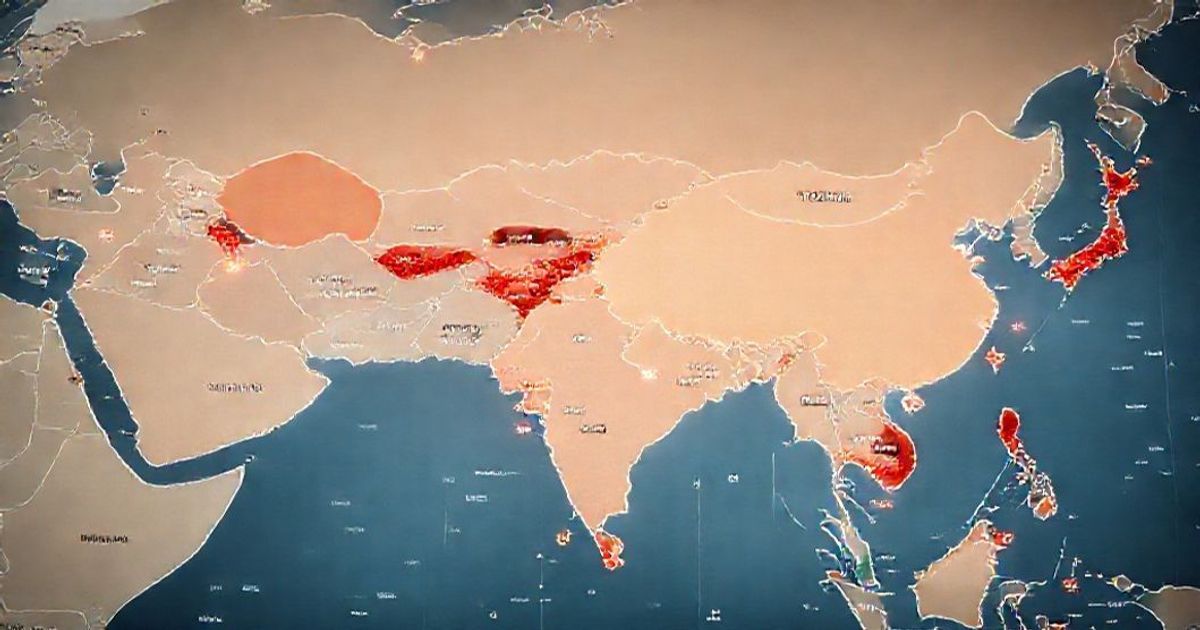
Asia's Easing Cycle Nears End Amid Growing North-South Divide
Nomura has identified a significant monetary policy fragmentation emerging across Asia, with a clear north-south divide developing as the region's easing cycle largely concludes. This comes despite subdued inflation in many economies and contrasts sharply with expectations for the U.S. Federal Reserve, which Nomura forecasts will deliver two rate cuts in 2026.
Hawkish Pivot in Key Northern Economies
The investment bank notes that improving growth dynamics, policy rates approaching neutral levels, and a desire to preserve policy ammunition have led central banks in several economies to adopt a more cautious, even hawkish, stance. Financial stability concerns, particularly regarding rising housing prices, are further limiting the scope for additional easing.
- South Korea, Australia, New Zealand, and Malaysia are seen as having completed their easing cycles.
- Nomura expects Bank Negara Malaysia to raise rates in Q4 2026 to pre-empt financial stability risks.
- The Reserve Bank of New Zealand is forecast to resume hiking in 2027.
Residual Easing Bias in Southern Economies and China
In contrast, other major Asian economies are expected to maintain an easing bias. Nomura forecasts further rate cuts in India, Thailand, Indonesia, and the Philippines, driven by softer growth and muted inflation pressures.
For China, the bank anticipates a modest 10-basis-point policy rate cut, but believes fiscal policy will shoulder more of the stimulus burden from around spring 2026. This is expected to occur primarily through increased lending by policy banks to local governments.
Japan on a Separate Trajectory, Risks Abound
Japan occupies a unique position. Nomura projects just one more rate hike from the Bank of Japan in December 2025, followed by a prolonged pause through 2026 as core inflation is expected to dip back below the 2% target.
The report highlights several risks to the outlook, including:
- Upside: Faster global growth and stronger Chinese domestic demand.
- Downside: Weaker U.S. demand, renewed trade tensions, or a sharp correction in AI-related investment volatility.
This analysis suggests Asia is increasingly decoupling from the U.S. on the hawkish side, setting the stage for a complex and divergent monetary policy landscape across the region in the coming years.