NFT Market Hits 2025 Lows, No Santa Rally in Sight
Key Takeaways
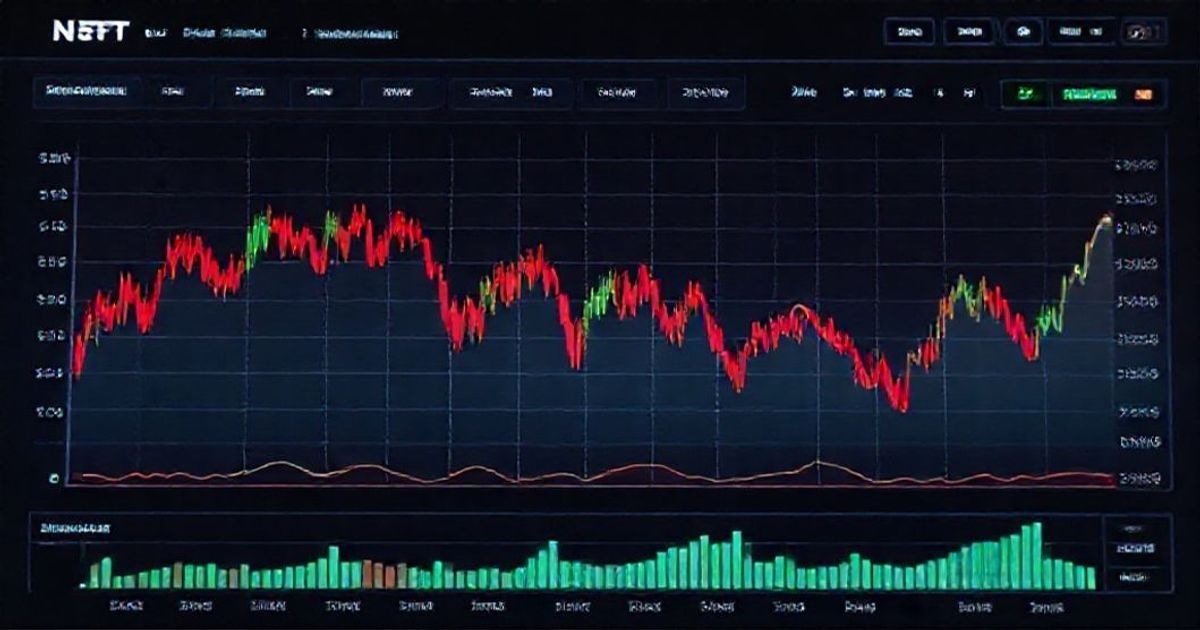
The NFT market has failed to stage a traditional year-end 'Santa Rally,' with key metrics plunging to lows not seen since early 2025. Data reveals a stark contraction in market participation, with fewer buyers, sellers, and transactions pointing to a profound loss of speculative interest. This downturn is forcing a fundamental reassessment of value and utility in the digital asset space, separating fleeting trends from projects with lasting potential.
The Vanishing Rally: NFT Metrics Paint a Bleak Picture
Historically, various asset classes, including cryptocurrencies, have often enjoyed a seasonal uptick in the final weeks of the year—a phenomenon traders dub the "Santa Rally." For the NFT sector, which saw explosive growth in previous cycles, hopes were cautiously set on a similar revival to close out 2025. Instead, the market has delivered a starkly different narrative. Comprehensive market data indicates a broad-based decline, with the number of active buyers and sellers contracting significantly week-over-week. More critically, the total number of transactions has dwindled, signaling that even remaining participants are engaging less frequently. This triad of declining metrics—participants, activity, and volume—confirms this is not a simple price correction but a deeper evaporation of speculative momentum.
Anatomy of the Decline: Where Has Everyone Gone?
The exodus from the NFT market is multifaceted. First, the macro-financial environment has remained challenging, with high interest rates continuing to drain liquidity from risk-on assets. Capital has become more expensive and scarce, leaving little on the sidelines for speculative digital collectibles. Second, the retail frenzy that powered the 2021-2022 boom has conclusively faded. The influx of new, first-time buyers has slowed to a trickle, leaving a core community of collectors and traders who are far more discerning and less prone to impulsive, hype-driven purchases.
Finally, and perhaps most importantly, the market is suffering from a crisis of utility. Many projects that promised exclusive access, gaming integrations, or real-world benefits have failed to deliver, leaving holders with static JPEGs whose value is purely perception-based. As the market matures, the novelty of ownership has worn thin, demanding more substantive value propositions.
What This Means for Traders
For active traders and investors in the digital asset space, this environment demands a strategic shift from speculation to rigorous analysis.
- Focus on Blue-Chip Durability: The downturn is ruthlessly separating projects. Trading activity should concentrate on established "blue-chip" collections with strong communities, proven developer track records, and ongoing utility (e.g., ongoing airdrops, staking rewards, governance rights). These assets will have the highest probability of retaining baseline liquidity and value.
- Liquidity is King: In a thin market, liquidity craters. Avoid illiquid collections at all costs, as exiting a position will become nearly impossible without accepting a massive discount. Prioritize assets traded on major marketplaces with consistent, deep order books.
- Embrace Contrarian, Long-Term Accumulation: For those with a high-risk tolerance and a long-term horizon, this period of extreme pessimism can present accumulation opportunities. This is not a call to "buy the dip" indiscriminately but to identify fundamentally sound projects whose token prices have been unfairly dragged down by broad market sentiment. Dollar-cost averaging into a select few projects may be a viable strategy.
- Monitor On-Chain Metrics Closely: Move beyond floor price. Watch unique holder counts, whale accumulation/distribution patterns, and marketplace smart contract interactions. A rising holder count amid falling prices can signal strong-handed accumulation, while a decline confirms capitulation.
Sector Rotation and the Search for Catalysts
Traders should be alert to potential sector rotations within the broader digital asset ecosystem. Capital fleeing the NFT space may flow into other crypto subsectors like DeFi, layer-1 tokens, or real-world asset (RWA) protocols. Furthermore, the market desperately needs new catalysts. These could include:
- Technological Innovation: Breakthroughs in dynamic NFTs, full on-chain gaming, or novel utility frameworks.
- Major Brand Entries: Successful, utility-driven launches from globally recognized brands or artists.
- Regulatory Clarity: Clear regulations, while often feared, could provide the institutional confidence needed for larger-scale investment.
Until such catalysts emerge, the market is likely to remain in a consolidation or gradual decline phase, characterized by low volatility and volume—a challenging environment for short-term traders.
Conclusion: A Necessary Winter Before a New Spring
The NFT market's failure to rally at the end of 2025 is a sobering milestone, marking a definitive end to the era of easy, hype-driven gains. The current lows represent a painful but necessary consolidation phase, washing out excessive speculation and forcing projects to build real value. For the space to regain its footing and attract fresh capital, it must evolve beyond profile picture collections and speculative trading. The next growth cycle will likely be built on tangible utility, robust intellectual property, and seamless integration with broader digital experiences—from gaming and social media to ticketing and identity.
For now, traders must navigate a landscape of reduced opportunity and heightened risk. Success will depend on patience, selectivity, and a focus on the fundamental drivers of long-term value rather than short-term price movements. The market's winter is here, but it is within this frost that the seeds for the next, more sustainable growth phase are being sown.