Myanmar Junta's Electoral Gambit: A Strategic Retreat or Political Theater?
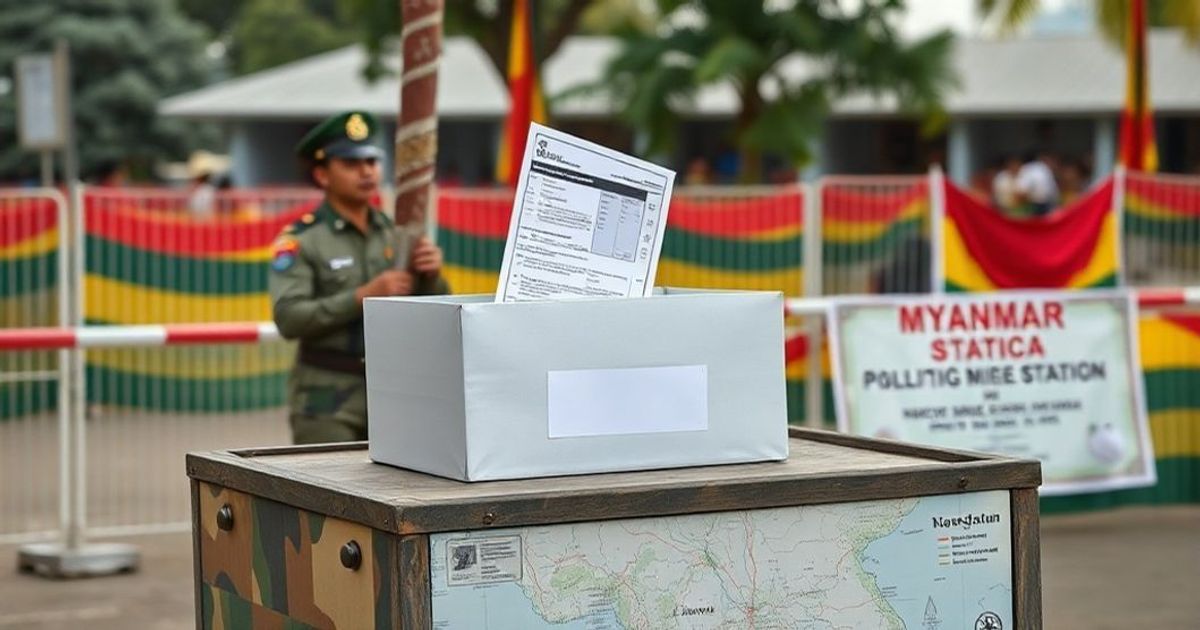
From Battlefield to Ballot Box: A Risky Transition
Myanmar's military junta, facing unprecedented resistance and dwindling territorial control, appears to be shifting its strategy from outright military domination to a contested political process. This pivot towards holding elections—a move analysts describe as high-risk—aims to legitimize its rule on the international stage while attempting to fracture domestic opposition.
The Uphill Battle for Legitimacy
However, the path to credible elections is fraught with obstacles. The junta, which seized power in a 2021 coup, controls a fraction of the country's territory. Major ethnic armed organizations and a robust People's Defense Force (PDF) network actively contest its authority across vast regions, making nationwide polling a logistical and security nightmare.
Furthermore, the political landscape remains hostile. The National Unity Government (NUG), the shadow civilian administration, and its allied forces have vowed to disrupt any electoral process they deem illegitimate. Key pro-democracy parties, including Aung San Suu Kyi's National League for Democracy (NLD), are decimated by arrests and bans.
- Severe lack of territorial control for secure polling.
- Boycott and disruption threats from major opposition groups.
- International community likely to reject the process as a sham.
A Calculated Move Amidst Stalemate
Experts suggest the election push is less about democratic transition and more about creating a facade of normality. By announcing an electoral roadmap, the State Administration Council (SAC), as the junta calls itself, seeks to portray itself as the sole entity restoring order and provide a rationale for its continued grip on power. This strategy is seen as an attempt to weaken international sanctions and divide the opposition between those who engage and those who abstain.
The ultimate success of this gambit remains highly doubtful. Without inclusive dialogue, the release of political prisoners, and a cessation of violence against civilians, any election will fail to achieve domestic or international acceptance, leaving Myanmar trapped in a cycle of conflict and political crisis.