Logan Paul's $5.3M Pokémon Bet: Do Collectibles Beat Stocks in 2024?
Key Takeaways
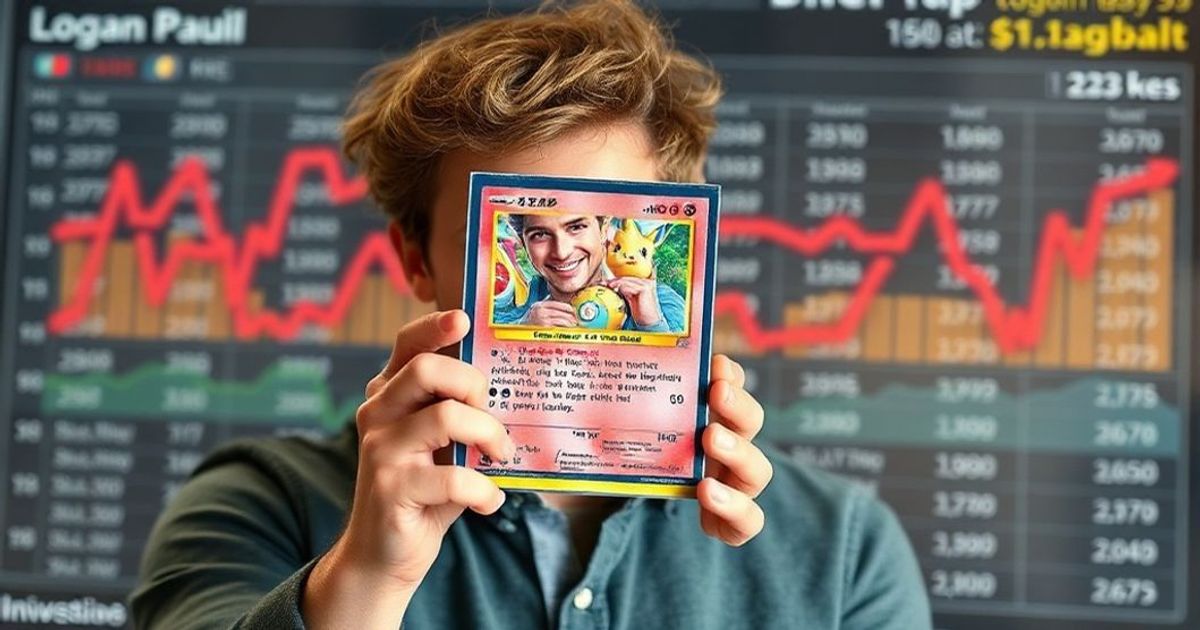
Logan Paul's $5.3 million purchase of a sealed box of first-edition Pokémon cards is more than a viral stunt; it's a high-profile case study in the booming alternative asset market. This move forces a critical examination for traders and investors: are high-end collectibles a legitimate hedge and growth vehicle, or merely a speculative bubble fueled by influencer hype? The answer lies in understanding the unique risk/return profile, market drivers, and liquidity constraints that separate collectibles from traditional securities like stocks and ETFs.
Deconstructing the Paul Play: Speculation, Nostalgia, and Scarcity
In 2024, Logan Paul finalized his purchase of a sealed box of 1999 first-edition Pokémon booster packs for a staggering $5.3 million. This wasn't his first foray into high-stakes collectibles, but it represents a pinnacle of a trend where physical nostalgia items are priced like blue-chip art. The valuation isn't based on intrinsic cash flow but on extreme scarcity, cultural significance, and a perfectly preserved, unopened state ("gem mint" condition). The market for such items is driven by a potent mix of millennial nostalgia, disposable income, and the perception of collectibles as "tangible" assets in an increasingly digital financial world.
The Market Mechanics: How Collectibles Trade Differently
Unlike the stock market, the collectibles market lacks centralization, instant liquidity, and standardized regulation. Key differences include:
- Illiquidity & High Transaction Costs: Selling a multi-million dollar collectible isn't a one-click process. It requires auctions, private brokers, and hefty fees (often 10-25%). This contrasts sharply with the near-instant, low-cost exit from a stock position.
- Valuation Opacity: There's no live ticker for a Charizard card. Appraisals are subjective, based on recent comparable sales (comps), condition grading, and market sentiment. This creates significant pricing risk.
- Carrying Costs & Risks: Stocks don't require insurance, climate-controlled storage, or authentication. A $5.3 million card collection carries substantial ongoing costs and physical risks (theft, damage) that erode potential returns.
The Performance Debate: Collectibles vs. Traditional Assets
Proponents point to indices like the Knight Frank Luxury Investment Index, which has shown rare collectibles (including cards, watches, and wine) outperforming major equity indices over certain 10-year periods. The 2020-2022 period saw an explosive boom in trading card and memorabilia markets, with some segments appreciating hundreds of percent.
However, this market is notoriously cyclical and sentiment-driven. It's prone to sharp corrections when discretionary spending tightens or hype fades. Performance is also highly fragmented; while a PSA 10 Charizard might moon, the vast majority of common cards remain worthless. This is the opposite of a broad-market ETF, which provides immediate diversification. Collectible investing is concentrated, single-asset speculation.
What This Means for Traders
For active traders and portfolio managers, the collectibles phenomenon offers critical insights and potential strategies:
- Sentiment Indicator: The vibrancy (or decline) of the high-end collectibles market can act as a leading indicator for retail investor risk appetite and discretionary spending trends, especially among younger demographics. A cooling market may signal broader economic caution.
- Diversification with Caveats: Allocating a very small portion (1-3%) of a high-net-worth portfolio to blue-chip collectibles can provide non-correlated diversification. However, treat it as a long-term, capital-intensive hold, not a tactical trade.
- Play the Ecosystem, Not the Card: Publicly traded companies facilitate this market. Consider positions in companies like eBay (EBAY), which dominates peer-to-peer collectibles sales, or grading services like Collectors Universe (CLCT). This offers liquid exposure to the trend's infrastructure without the illiquidity.
- Understand the Hype Cycle: Influencer-driven pumps, like Paul's purchase, can create short-term mania in specific niches. Astute traders might identify related, publicly-traded concepts (gaming, entertainment) that could see a sentiment boost, but should be wary of the inevitable fade.
The Verdict: A Niche Alternative, Not a Core Holding
Logan Paul's bet underscores a fundamental truth: in a low-yield environment, capital chases unique stores of value. Sealed first-edition Pokémon boxes, with their fixed, verifiable scarcity, function more like digital NFTs with physical backing than traditional equities. They are passion assets with investment potential, not investment assets with a hobby on the side.
For the vast majority of traders, the stock market offers superior liquidity, transparency, and regulatory protection. The S&P 500 doesn't need special insurance and is a claim on future corporate earnings. A box of cards is a claim on future nostalgic demand—a far less predictable variable.
Conclusion: A Signal of Evolving Asset Perceptions
The $5.3 million Pokémon box is a symbol of a broader financialization of pop culture. While it doesn't signal that collectibles will replace stocks, it highlights a growing investor appetite for tangible, culturally-rooted assets in a digital age. For traders, the key lesson is analytical: understand the drivers (scarcity, nostalgia, influencer marketing) that now move multi-million dollar markets. The smart play isn't necessarily buying the card, but understanding the capital flows and sentiment it represents. In 2024 and beyond, alternative assets will command attention, but for core portfolio growth, traditional markets, with their established rules and liquidity, remain the main arena. The collectibles boom is a fascinating sideshow, but for now, the stock market is still the main event.