Japan Launches Pioneering Deep-Sea Rare Earth Mining Test Amid Geopolitical Tensions
World-First Test Mining Operation Commences in Pacific
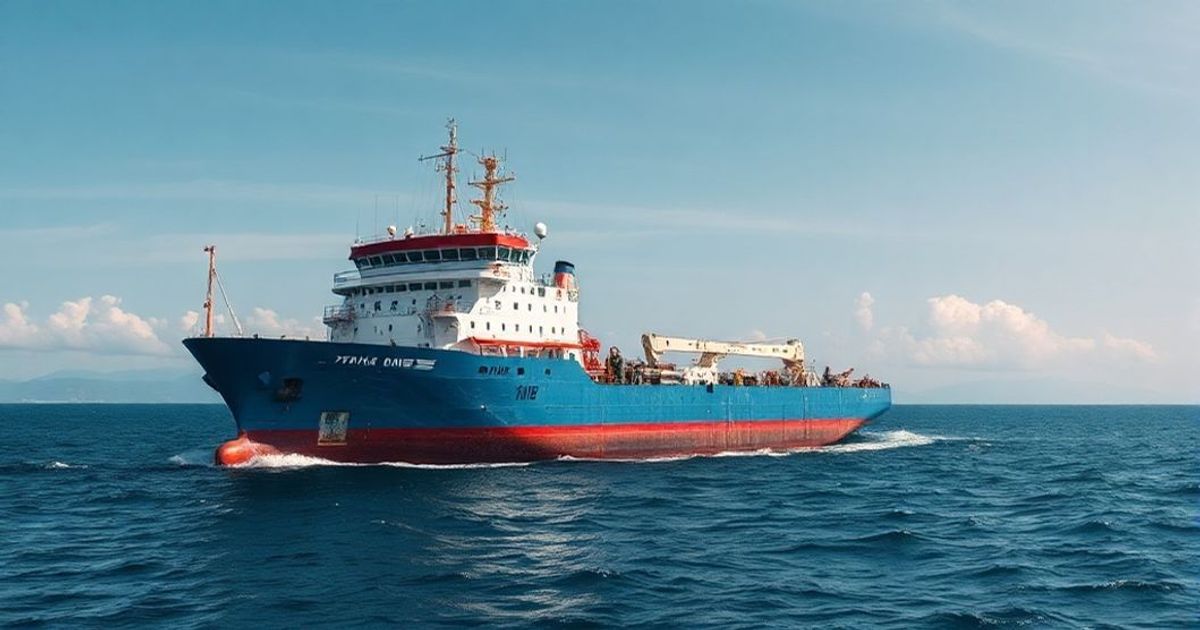
The Japanese government has initiated a landmark test mining operation for rare-earth-rich mud from the deep seabed near Minamitori Island. Running from January 11 to February 14, this represents the world's first attempt to continuously extract mineral-rich mud from depths of approximately 6,000 meters onto a surface vessel.
Strategic Diversification Drive
This venture is a critical component of Japan's long-term strategy to diversify its supply of rare earth minerals, essential components in electronics, electric vehicles, and defense technologies. The program director stated the operation aims to lift 350 metric tons of mud daily while conducting comprehensive environmental monitoring both onboard and on the seabed.
While no specific production target has been set, a successful test could pave the way for full-scale trial mining by February 2027. The project underscores a persistent challenge: securing supply is only half the battle. Developing independent processing capabilities remains paramount, a lesson learned from the politically charged establishment of the Lynas processing plant in Malaysia over a decade ago.
The China Factor Looms Large
The operation occurs against a backdrop of heightened geopolitical sensitivity. Earlier this year, during Japanese survey activities in its Exclusive Economic Zone (EEZ) around Minamitori Island, a Chinese naval fleet was reported in the vicinity—an event analysts view as a potential warning signal.
Beijing has historically leveraged its dominance in rare earth supply chains as geopolitical leverage. Any successful move by another nation to establish an independent, seabed-to-processing pipeline would directly challenge this strategic advantage, guaranteeing close scrutiny and likely opposition from China.
- The test marks a global first in deep-sea rare earth extraction technology.
- Success could lead to full-scale operations by 2027, reducing reliance on China.
- Geopolitical tensions are expected, as China monitors the challenge to its supply chain dominance.