IMF Reveals El Salvador's Advanced Talks to Privatize State-Run Chivo Bitcoin Wallet
Diverging Paths on Bitcoin Strategy
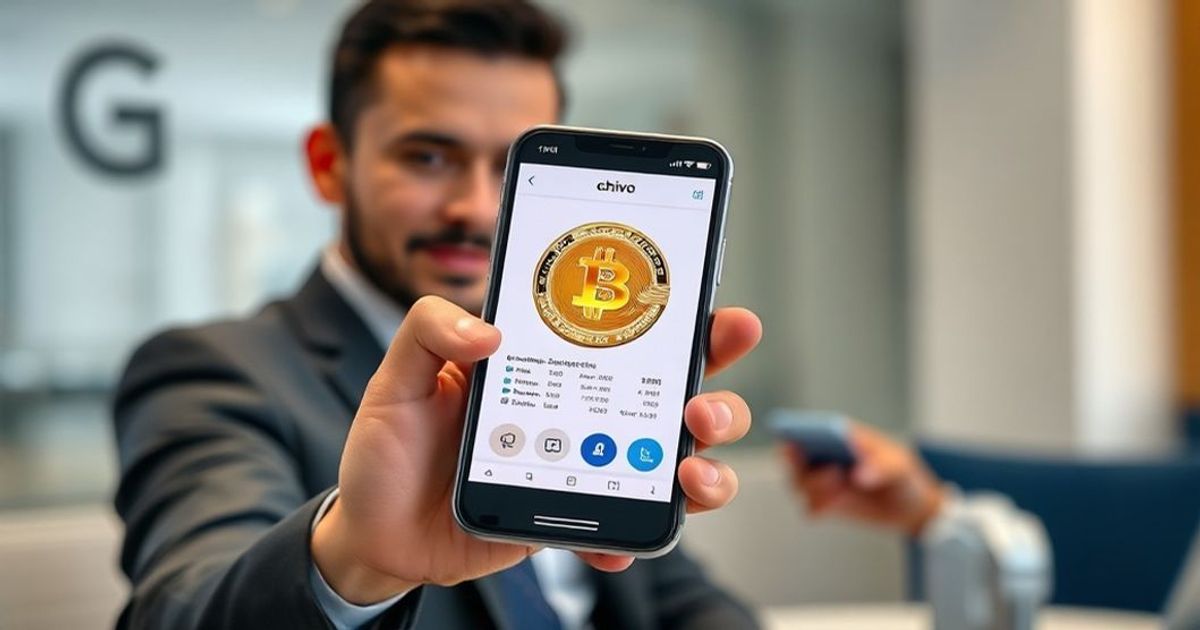
The International Monetary Fund (IMF) has disclosed that El Salvador is in "well advanced" negotiations to sell its state-operated Chivo Bitcoin wallet, a statement that appears to contrast with President Nayib Bukele's public commitment to continue government Bitcoin purchases. This development signals a potential strategic pivot in the nation's pioneering cryptocurrency adoption experiment.
Official Statements vs. IMF Report
President Bukele has consistently championed Bitcoin as a core element of El Salvador's economic policy, recently reaffirming that the government would not halt its Bitcoin acquisitions. However, the IMF's latest report suggests parallel, high-level discussions are underway to transfer the Chivo wallet—a central pillar of the country's Bitcoin legal tender law—to private ownership. The wallet was launched in 2021 to facilitate citizen use of Bitcoin for everyday transactions.
Implications for Financial Policy
The potential sale raises significant questions about the future structure of El Salvador's crypto economy. Analysts are watching closely to see how privatization might affect:
- Public access and transaction fees for the Chivo service
- The government's role in managing and promoting Bitcoin adoption
- Ongoing negotiations between El Salvador and the IMF for a substantial financial program
The move could represent an effort to reduce fiscal burdens associated with maintaining the wallet system while continuing the broader Bitcoin investment strategy championed by the administration.