Hyundai Recalls 51,000 US Vehicles Over Fire Risk in 2024
Key Takeaways
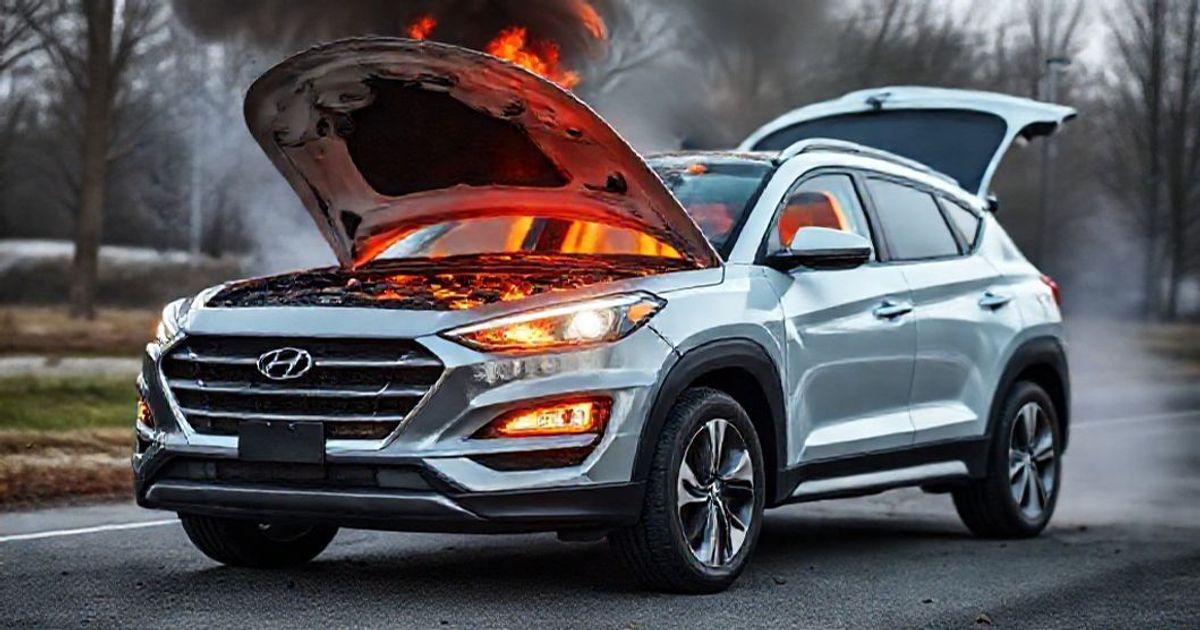
- Hyundai is recalling approximately 51,000 vehicles in the United States due to a potential fire risk stemming from a faulty electronic controller in the Idle Stop & Go (ISG) system.
- The recall affects specific 2023-2024 Tucson, Sonata, Elantra, and Kona models equipped with the 2.5-liter Theta III engine.
- The National Highway Traffic Safety Administration (NHTSA) advises owners to park these vehicles outside and away from structures until repairs are completed.
- This recall adds to a significant history of fire-related issues for Hyundai and its affiliate Kia, which have collectively recalled millions of vehicles for similar concerns over the past decade.
Understanding the Recall: A Technical and Regulatory Breakdown
The National Highway Traffic Safety Administration (NHTSA) has announced a new safety recall affecting an estimated 51,000 Hyundai vehicles in the United States. The core issue resides in the Idle Stop & Go (ISG) system's electronic controller. This system is designed to automatically shut off the engine when the vehicle comes to a stop (e.g., at a traffic light) to save fuel and reduce emissions, restarting instantly when the driver releases the brake.
According to the NHTSA report, a specific integrated circuit within the ISG controller may suffer from internal damage. This damage can lead to a short circuit, which may cause the component to overheat. In the worst-case scenario, this overheating can ignite a fire even when the vehicle is turned off and parked. This "parked car" fire risk is particularly alarming as it can occur without warning and pose a danger to property and safety.
Affected Models and Production Details
The recall is not a blanket action across all Hyundai lines. It specifically targets newer models equipped with the 2.5-liter Theta III gasoline direct injection (GDI) engine and the ISG feature. The affected vehicles include:
- 2023-2024 Hyundai Tucson
- 2023-2024 Hyundai Sonata
- 2023 Hyundai Elantra
- 2023-2024 Hyundai Kona
These vehicles were produced between December 8, 2022, and April 4, 2024. Hyundai has identified the supplier of the faulty component and is working on a remedy. Owners of affected vehicles will be notified by mail starting July 26, 2024. The repair will involve an inspection and, if necessary, the replacement of the ISG electronic controller free of charge.
Historical Context: A Pattern of Fire-Related Recalls
For market analysts and automotive industry watchers, this recall is not an isolated incident. Hyundai and its corporate sibling Kia have faced a long and costly saga concerning engine and fire-related problems over the past decade. Most notably, this includes the massive recall of over 3.7 million vehicles in 2020 due to the risk of engine compartment fires, which was part of a series of recalls linked to the Theta II engine.
These issues have resulted in significant financial penalties, including a $210 million civil penalty from NHTSA in 2020 for delayed recalls. More critically, they have impacted consumer perception and brand reliability ratings. The recurrence of a fire risk, albeit in a different system (ISG controller vs. engine internals), threatens to undermine the company's efforts to move past its quality control challenges and could influence buyer behavior, particularly in the competitive compact SUV and sedan segments where the Tucson, Kona, and Sonata compete.
What This Means for Traders
For traders and investors monitoring Hyundai Motor Company (ticker: 005380 on KRX, HYMTF OTC), this recall presents several immediate and longer-term considerations.
Short-Term Financial and Sentiment Impact
The direct financial cost of recalling and repairing 51,000 vehicles is likely manageable for a corporation of Hyundai's scale. However, the indirect costs—including potential warranty reserves, logistical expenses, and the impact on brand sentiment—can be more substantial. Traders should monitor the company's upcoming quarterly earnings for any mention of increased warranty provisions or one-time charges related to this and other safety campaigns.
More immediately, the news can drive negative sentiment. Headlines involving "fire risk" are potent and can lead to short-term volatility in the company's share price, especially if amplified by broader media coverage. Traders might see a sell-off on the news, potentially creating a short-term dip.
Long-Term Strategic and Competitive Implications
This event feeds into a persistent narrative about quality control at the Hyundai-Kia automotive group. While the company has made tremendous strides in design, technology, and market share, recalls of this nature can slow its momentum, particularly in the critical North American market. It may provide an opening for competitors like Toyota, Honda, and emerging domestic EV makers to highlight their own reliability records.
Furthermore, it underscores the increasing complexity and risk associated with modern vehicle electronics. As automakers pack more fuel-saving and automated features into cars, the potential for electronic faults increases. Investors should assess how Hyundai's management communicates its strategy for improving electronic component sourcing, validation, and quality assurance to prevent a recurring pattern.
Supply Chain and Parts Manufacturer Exposure
The recall identifies a faulty component from a specific supplier. While not named in the initial report, identifying the supplier could be relevant for traders in the automotive parts sector. A major recall often leads to financial liability discussions between the automaker and its supplier, which can impact the supplier's stock. It also serves as a reminder of the systemic risks within tightly coupled automotive supply chains.
Conclusion: A Test of Resilience and Response
The recall of 51,000 vehicles is a significant safety action that highlights the ongoing challenges automakers face in an era of increasing vehicle complexity. For Hyundai, the key will be in its execution of the recall—ensuring swift, clear communication with owners and efficient repairs—to minimize inconvenience and danger.
From an investment perspective, while the direct financial hit may be contained, the recurring theme of fire-related issues remains a reputational headwind. The market will be watching closely to see if this recall is a contained, isolated manufacturing defect or a symptom of broader quality management issues as the company accelerates its transition toward electric and software-defined vehicles. Hyundai's ability to decisively resolve this issue and transparently bolster its quality protocols will be critical in maintaining investor confidence and consumer trust in the quarters ahead.