Humanoid Robot Revolution 2024: Why It Will Turbocharge the USD
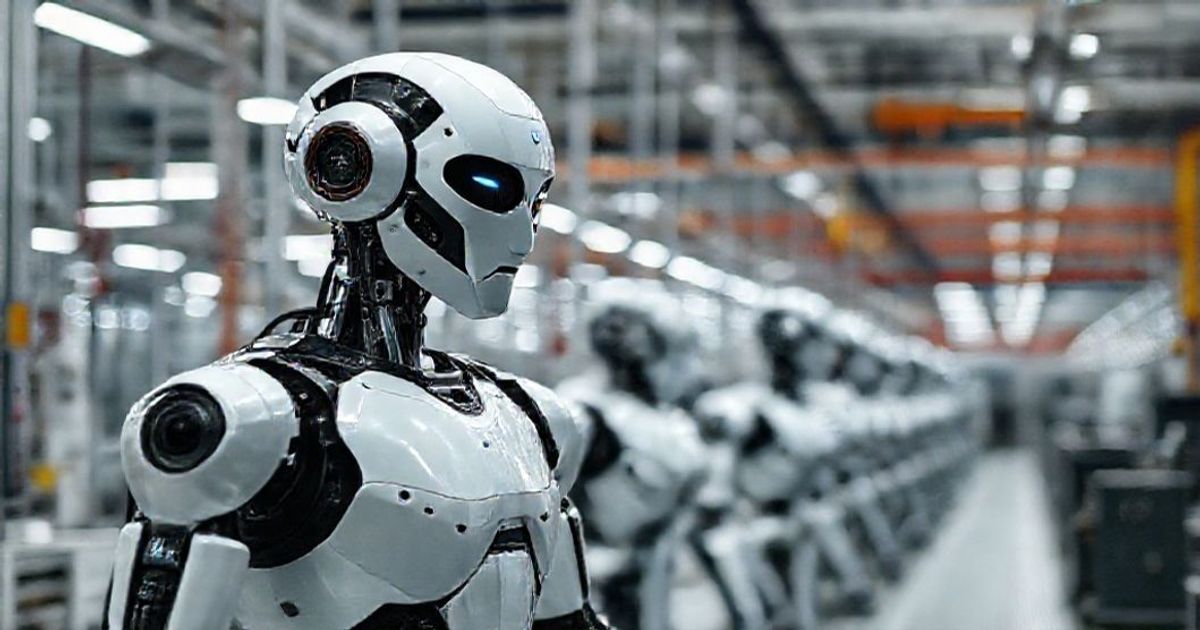
The Humanoid Robotics Boom: A Structural Dollar Catalyst
The narrative of automation and AI is evolving from software and stationary machines to a new, physical frontier: humanoid robots. Companies like Tesla, Figure, Boston Dynamics, and a host of ambitious startups are racing to create versatile robots that can work in human-designed environments. While this sparks debates about the future of labor, for currency traders, the implications are strikingly clear. This technological revolution is not a global equalizer; it is a powerful, concentrated force likely to drive sustained US dollar (USD) strength. The convergence of American innovation, capital markets, and strategic industrial policy positions the United States to be the undisputed leader in this field, creating multiple channels for USD demand.
Why the US Holds the Unbeatable Edge
The race for humanoid dominance isn't starting on a level playing field. The United States possesses a unique and formidable ecosystem that will funnel investment, talent, and ultimately profits back into the dollar area.
1. The Innovation and Capital Nexus
Silicon Valley and leading US tech firms are at the forefront of integrating the necessary technologies: advanced AI (large language models, computer vision), sophisticated actuators, and battery systems. More crucially, the deep, risk-tolerant US venture capital and public equity markets are uniquely positioned to fund the capital-intensive R&D and scaling required. This means global capital will flow into US-denominated assets—from speculative startup equity to bonds issued by expanding manufacturers—to gain exposure to the trend.
2. Reshoring and the Manufacturing Renaissance
The primary economic promise of humanoids is making domestic manufacturing in high-wage countries competitive again. For the US, this accelerates the existing trend of reshoring and "friend-shoring" spurred by supply chain vulnerabilities and geopolitical tensions. As companies invest billions in new US-based, robot-staffed factories, it translates into massive domestic capital expenditure (CapEx). This investment boom supports jobs, increases productivity, and reduces the trade deficit—all fundamental pillars for a stronger currency.
3. The Export Powerhouse of "Brains and Brawn"
While robots may eventually be assembled elsewhere, the high-value IP—the software, the chip designs, the proprietary algorithms—will remain US-based. The US will transition from outsourcing physical production to licensing its technology and exporting high-margin robotic components and software suites. This creates a new, sticky stream of royalty and service payments flowing into the US, improving the current account.
What This Means for Traders
This isn't just a thematic story; it's a framework for strategic USD positioning. Traders should look beyond short-term Fed policy and view the robotics revolution as a structural, multi-year tailwind for the dollar.
- Long USD vs. Manufacturing-Currency Peers: Countries whose export models rely on cheap labor for assembly (parts of Asia, emerging markets) face long-term disruption. Currencies like the Chinese Yuan (CNY), Vietnamese Dong (VND), or Mexican Peso (MXN) could see their competitive advantage erode, creating potential for long USD/short EM manufacturing basket strategies.
- Equity Flows as a USD Driver: Monitor IPO and fundraising activity in US robotics firms. Successful public listings will attract foreign investment, directly creating demand for USD to purchase shares. The performance of a potential "Robotics Index" could become a leading indicator for capital inflows.
- Commodity Implications: A US manufacturing renaissance requires raw materials. However, the demand profile may shift from bulk commodities to the specialized materials needed for batteries, chips, and sensors (e.g., lithium, cobalt, rare earths). Watch for US strategic stockpiling and partnerships that could impact these commodity currencies.
- Fed Policy in a Productivity Boom: If robotics significantly boosts US productivity, the Federal Reserve may have more room to maintain higher interest rates for longer without stifling growth, as increased output cools inflationary pressures. This "higher for longer" rate environment is a classic USD positive.
Key Risks and Counter-Arguments
A prudent trader must also consider the alternative scenarios. Another nation could achieve a breakthrough and capture the market. Widespread job displacement could lead to protectionist policies that hinder technology export. The timeline for viable, cost-effective robots at scale is still measured in years, not months, meaning this is a trend to scale into, not chase on headlines. However, the depth of the US tech ecosystem and its integration with defense and industrial policy makes it the likely winner.
Conclusion: Positioning for the Automated Ascent
The humanoid robot revolution is more than a sci-fi trope; it is the next chapter in US economic and technological dominance. It promises to reshape global supply chains, redirect international capital flows, and redefine export economies. For the forex market, the consequence is a compelling, fundamental case for a stronger US dollar over the coming decade. Traders should incorporate this theme into their long-term outlook, using periods of USD weakness as opportunities to build strategic long positions against currencies most vulnerable to this automated future. The robots aren't just coming for jobs; they're coming to fuel the world's demand for dollars.