Gold & Silver Setup for 2006: Key Trends & Trader Strategies
Key Takeaways
Heading into 2006, the precious metals complex is poised at a critical juncture. Gold has broken decisively above long-term resistance, while silver is exhibiting both industrial and monetary demand. The primary drivers include a weakening US dollar, persistent inflation concerns, and robust physical investment demand. For traders, this environment presents distinct opportunities in both outright directional plays and strategic relative value trades between the two metals.
The Macro Backdrop: Fuel for Precious Metals
The financial landscape entering 2006 is characterized by several key themes that historically benefit hard assets like gold and silver. After a series of interest rate hikes, the Federal Reserve's policy path is becoming a central focus for markets. There is growing speculation that the tightening cycle may be nearing its peak, which could cap dollar strength and reduce the opportunity cost of holding non-yielding assets. Concurrently, expansive fiscal policies and high energy prices are keeping inflation fears alive among institutional investors and central banks, many of whom are quietly diversifying reserves.
The Gold Chart: Breaking the Ceiling
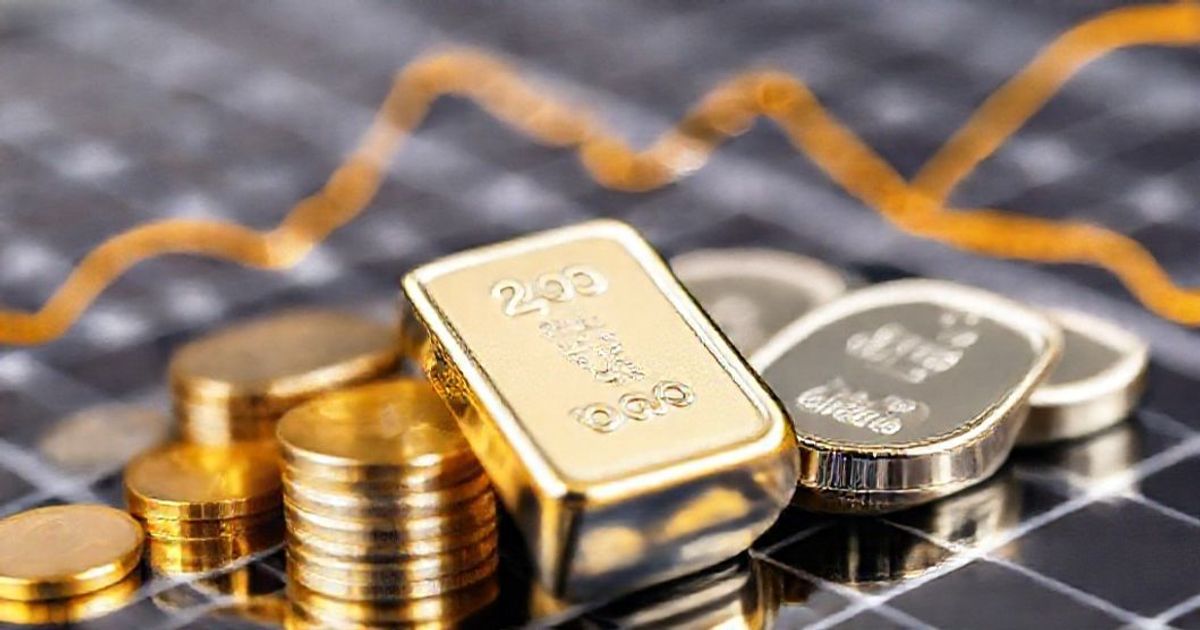
Technically, gold's performance in late 2005 has been nothing short of transformative. The metal has sustained a break above the psychologically significant $500 per ounce level—a resistance zone that held for over two decades. This isn't just a nominal high; it represents a fundamental shift in market structure. The move was achieved on high volume, confirming broad institutional participation. The next major resistance now lies in the $550-$575 range, a zone dating back to the 1980 peak when adjusted for inflation. Crucially, the 200-day moving average has turned into a firm support level, establishing a clear uptrend. Any pullbacks toward $480-$490 should be viewed as potential buying opportunities within the larger bullish context, provided they hold above the rising long-term average.
The Silver Dynamic: The Hybrid Performer
Silver's setup is uniquely compelling due to its dual identity as both a monetary and industrial metal. While it has tracked gold's ascent, its volatility is significantly higher, offering greater leverage to the underlying precious metals trend. Industrially, strong global growth, particularly in electronics and photovoltaic solar panel production, is creating a steady base of physical demand. From a chart perspective, silver is testing the $8.50-$9.00 area, a level that has acted as both support and resistance numerous times since the late 1990s. A weekly close above $9.00 would be a powerful bullish signal, potentially opening a path toward the $10-$12 zone. The gold/silver ratio, a key metric for relative value traders, remains historically high near 60:1, suggesting silver may have significant catch-up potential if the bullish metals thesis holds.
What This Means for Traders
For active traders, the 2006 setup requires a nuanced approach that balances trend-following with risk management.
Strategic Positioning
- Trend Confirmation: Use the $500 level in gold and $8.50 in silver as key barometers. Holding above these supports confirms the breakout's integrity. A decisive fall below would warrant a reassessment of core long positions.
- Volatility Plays: Consider options strategies to capitalize on silver's higher beta. Out-of-the-money call spreads or structured products can define risk while maintaining exposure to potential explosive moves.
- Ratio Trading: The elevated gold/silver ratio presents a classic mean-reversion opportunity. Traders can initiate a long silver/short gold position (by equal dollar value, not contract size) to bet on the ratio compressing toward its long-term average near 50:1 or lower.
Risk Management Imperatives
- Dollar Correlation: Monitor the DXY (U.S. Dollar Index) closely. A sharp, unexpected rally in the dollar remains the most immediate threat to the bullish metals thesis. Hedging a portion of long metals exposure with long dollar positions can mitigate this.
- Interest Rate Sensitivity: Watch for any hawkish pivot from global central banks. While the Fed may be pausing, other banks could act, strengthening their currencies relative to the dollar and creating short-term headwinds for dollar-denominated metals.
- Position Sizing: Given the increased volatility, especially in silver, position sizes should be calibrated accordingly. Allocate less capital per trade to silver than to gold to account for its wider daily ranges.
Conclusion: A Year of Validation
The stage is set for 2006 to be a year of validation for the precious metals bull market. The breakouts witnessed in late 2005 need to be sustained, and the early months of the new year will be crucial in determining if this is a new structural phase or an extended false move. For gold, the mission is to build a base above $500 and challenge multi-decade resistance. For silver, the goal is to confirm its breakout and begin closing the valuation gap with gold as expressed by the ratio. Traders should maintain a bullish bias while respecting key technical levels. The combination of monetary demand, inflationary hedges, and silver's industrial tailwinds creates a powerful, multi-faceted narrative. Success will hinge on disciplined entry, prudent risk management, and a keen eye on the macro drivers—primarily the dollar and real interest rates—that have the power to accelerate or derail this promising setup.