Gold's 2024 Surge: A Critical Warning Signal for Financial Markets
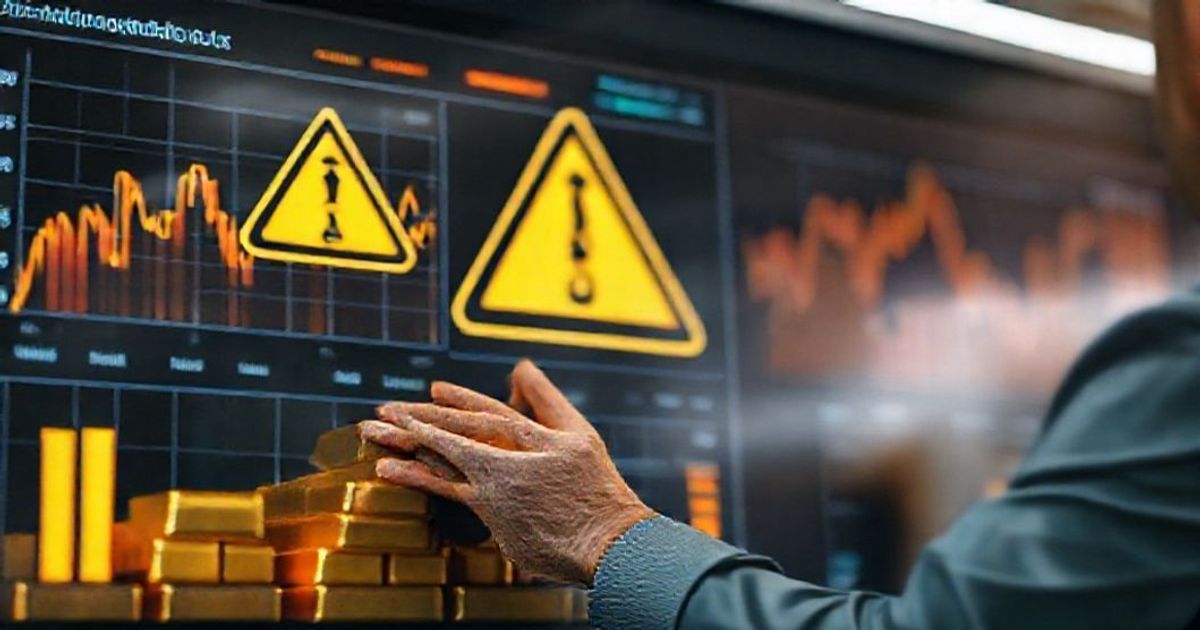
Gold Prices Keep Soaring—and It's a Warning to the Financial Markets
The relentless ascent of gold prices in 2024 is more than just a bullish run for a single commodity; it is a flashing red light on the dashboard of the global financial system. As gold breaches successive all-time highs, defying traditional headwinds like a strong U.S. dollar and elevated interest rates, its rally is being interpreted by seasoned analysts as a profound vote of no confidence. This isn't merely a trade—it's a barometer of deepening anxiety, signaling that institutional and retail investors alike are seeking shelter from a gathering storm of macroeconomic and geopolitical risks.
Decoding the Drivers: Why Gold is Defying Gravity
The conventional playbook for gold has been upended. Historically, high real interest rates (nominal rates minus inflation) increase the opportunity cost of holding non-yielding assets like gold, typically pressuring its price. Yet, gold has charged higher despite the Federal Reserve's restrictive stance. This paradox points to a powerful confluence of new and resurgent drivers:
- Central Bank Accumulation: Nations like China, India, Poland, and Singapore are aggressively diversifying their reserves away from the U.S. dollar. This strategic, policy-driven buying creates a massive, price-insensitive floor of demand.
- Geopolitical Fragmentation: The war in Ukraine, tensions in the Middle East, and strategic competition between major powers have made gold the ultimate geopolitical hedge—an asset free from counterparty risk or political sanction.
- Debt and Fiscal Dominance: Soaring sovereign debt levels in the U.S. and other developed nations are raising long-term concerns about currency debasement. Gold is being bought as a permanent store of value against this backdrop.
- Anticipated Policy Pivots: While rates are high now, the market is pricing in future Fed rate cuts. The mere anticipation of a shift away from tight monetary policy is enough to fuel gold's momentum.
What This Means for Traders
For active traders, gold's warning signal necessitates a strategic reassessment across portfolios. This is not just about adding a gold ETF.
- Monitor Correlations: Watch for the breakdown of the traditional inverse relationship between gold and the U.S. dollar (DXY). A sustained rally in both is a rare, powerful signal of global risk aversion and a potential lead indicator for equity market volatility.
- Sector Rotation Watch: A strong, fear-driven gold rally often precedes or coincides with weakness in rate-sensitive growth stocks (e.g., tech) and cyclical sectors. Consider this when managing equity exposure.
- Currency Hedging: The central bank buying trend is a direct challenge to dollar hegemony. Traders should consider diversifying currency exposure and monitor forex pairs like USD/CNY for signs of further de-dollarization.
- Options Strategy Adjustment: In this environment, buying out-of-the-money puts on broad equity indices (like the S&P 500) or using gold miner call options as a leveraged play on continued strength can be prudent hedging strategies.
- Focus on Miners vs. Metal: Evaluate gold mining equities (GDX) and royalty companies. They offer leverage to the gold price but carry operational risks. Their performance relative to the physical metal (GLD) can indicate whether the move is seen as sustainable by equity markets.
Key Market Relationships Under Stress
The gold rally is testing foundational market relationships. The bond market, typically a competing safe haven, is failing to attract the same flight-to-quality flows, suggesting fear of fiscal sustainability overrides fear of inflation alone. Furthermore, cryptocurrencies, once touted as "digital gold," have shown a higher correlation to risk assets like tech stocks than to bullion during recent stress periods, undermining their hedging narrative for traditional portfolios.
Forward-Looking Scenarios and Triggers
The trajectory of gold from here will provide critical clues about the market's evolving risk assessment.
- Bullish Continuation (Above $2,500/oz): Likely triggered by an unexpected Fed pivot toward aggressive easing, a major geopolitical escalation, or a sudden loss of confidence in U.S. Treasury markets. This would signal a full-blown "risk-off" environment, with severe implications for equities and corporate credit.
- Consolidation/Correction: A period of sideways trading or a pullback would likely require a "return to normalcy" narrative—durable geopolitical calm, a firm Fed committed to fighting inflation, and strong real economic data. This would be a positive sign for broader risk assets.
- The Inflation Paradox: Should inflation prove stickier than expected, forcing the Fed to hold rates higher for longer, gold could still rally if the narrative shifts to fears of stagflation—a toxic mix of stagnant growth and high inflation where gold historically thrives.
Conclusion: Heed the Warning
The message from the gold market is clear and urgent. Its price is acting as a real-time referendum on fiscal stability, monetary policy credibility, and global order. For traders, ignoring this signal is a perilous choice. The current rally is a call to action: to review hedge ratios, to question correlations that once seemed reliable, and to prepare portfolios for a regime shift where traditional diversification may fail. While timing a top in gold is fraught, understanding the why behind its strength is indispensable. It is telling you that the market's trust is fragile. In 2024, gold is not just an asset class; it is the most eloquent critic of the status quo, and its soaring price is a warning that demands a strategic response.