Food Insecurity Crisis Deepens: Who's Profiting While Americans Go Hungry?
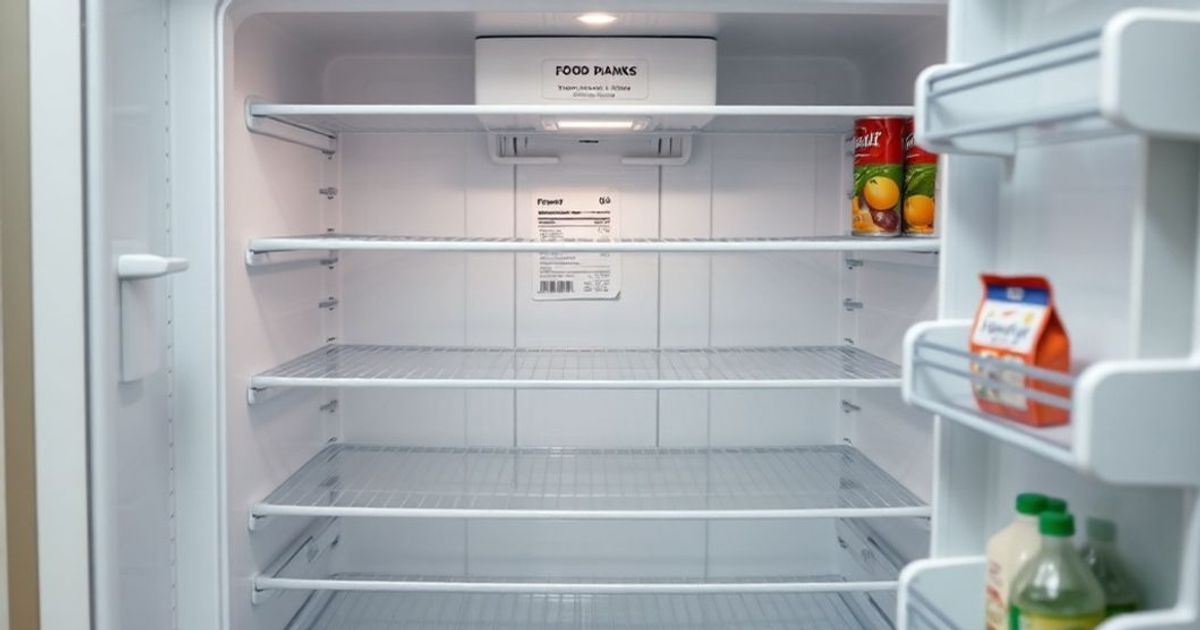
The Hidden Economics of America's Hunger Epidemic
As grocery bills soar and pantry shelves thin, a stark question emerges from the American kitchen table: Who benefits when families struggle to afford basic nutrition? While millions face impossible choices between feeding their families and paying rent, certain sectors of the economy are seeing unprecedented gains.
The Corporate Winners in a Hungry Nation
Financial analysts point to several industries capitalizing on the current crisis. Major food conglomerates have reported record profit margins, citing "efficient pricing strategies" amidst inflation. Meanwhile, the financial sector profits from increased consumer debt as families turn to credit cards and high-interest loans to cover grocery shortfalls.
- Food manufacturers boasting 20%+ profit margin increases
- Payday lenders reporting 35% surge in food-related loans
- Corporate grocery chains implementing shrinkflation tactics
- Pharmaceutical companies benefiting from malnutrition-related health issues
The Human Cost of Calculated Gains
Behind the quarterly earnings reports lie disturbing realities: children skipping meals, seniors choosing between medication and food, and working families visiting food banks for the first time. "We're seeing professionals with graduate degrees in our lines," reports Maria Gonzalez of the National Food Bank Network. "This isn't just an poverty issue—it's a systemic failure."
Economists warn that without structural intervention, the gap between those struggling to eat and those profiting from their struggle will continue to widen, creating long-term consequences for public health and economic stability.