Exclusive: U.S. Weighs Deploying Additional Coast Guard Assets to Intercept Fleeing Tankers
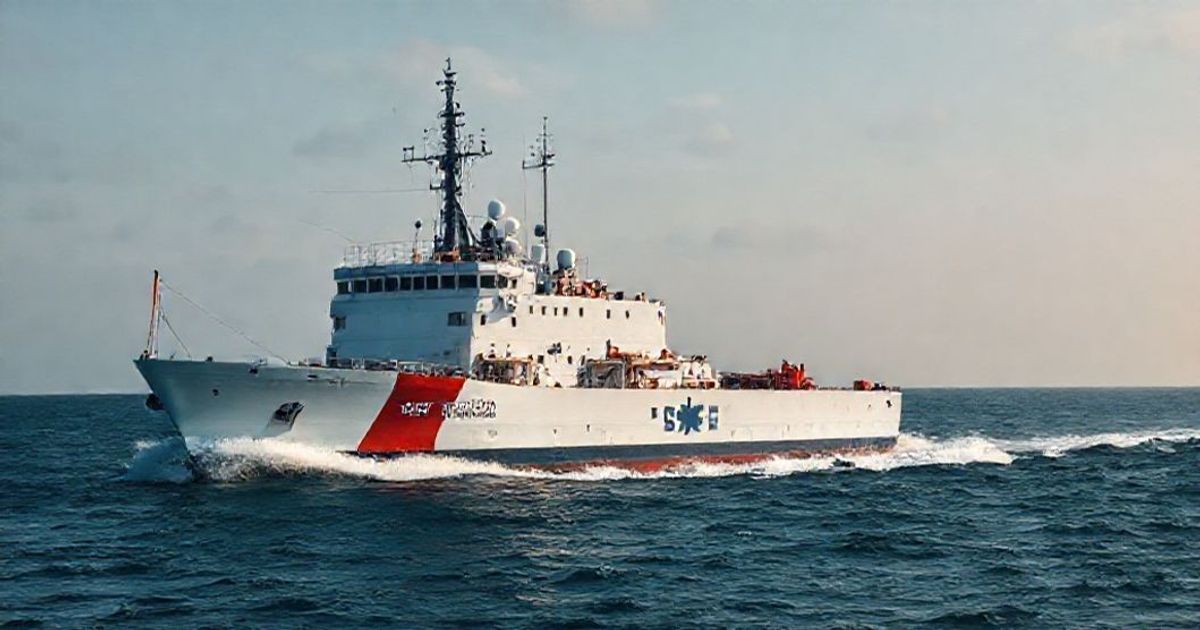
Exclusive Intelligence Reveals Enhanced Maritime Interdiction Strategy
According to sources familiar with ongoing strategic discussions, U.S. authorities are actively considering the deployment of additional Coast Guard cutters and specialized maritime interdiction teams. This potential escalation in assets is aimed at enhancing the nation's ability to track, intercept, and seize tankers attempting to flee enforcement actions, particularly those suspected of violating international sanctions or engaging in illicit trade.
The deliberations, described as part of a broader review of maritime domain awareness and enforcement capabilities, come amid increasing challenges in global shipping lanes. Sources indicate that the focus is on improving rapid response protocols and expanding the geographical reach of interdiction operations to counter evolving evasion tactics employed by non-compliant vessels.
Strategic Response to Evolving Maritime Threats
This move signals a proactive shift in how the United States plans to enforce maritime law and economic sanctions on the high seas. The additional assets would provide commanders with greater flexibility and persistence, allowing for longer patrols and more robust boarding operations in contested or remote waters.
- Enhanced surveillance and tracking of suspect vessels.
- Increased capacity for at-sea boardings and inspections.
- Improved coordination with allied naval and coast guard forces.
While the specific regions or sanctions regimes targeted by this potential buildup remain classified, analysts suggest it reflects a growing need to address sophisticated sanctions evasion networks that rely on maritime transport.