Contractor Scams Impact Florida Real Estate & Investment Markets in 2024
Key Takeaways
The recent surge in reports of Florida contractors abandoning retirement home projects, leaving them "incomplete and uninhabitable," is more than a consumer protection issue. It represents a significant systemic risk affecting local real estate markets, construction sector stability, and the investment landscape. For traders and investors, these events signal volatility in related stocks, potential regulatory changes, and shifting capital flows in Sun Belt real estate.
The Crisis Unfolds: Retirement Dreams Deferred
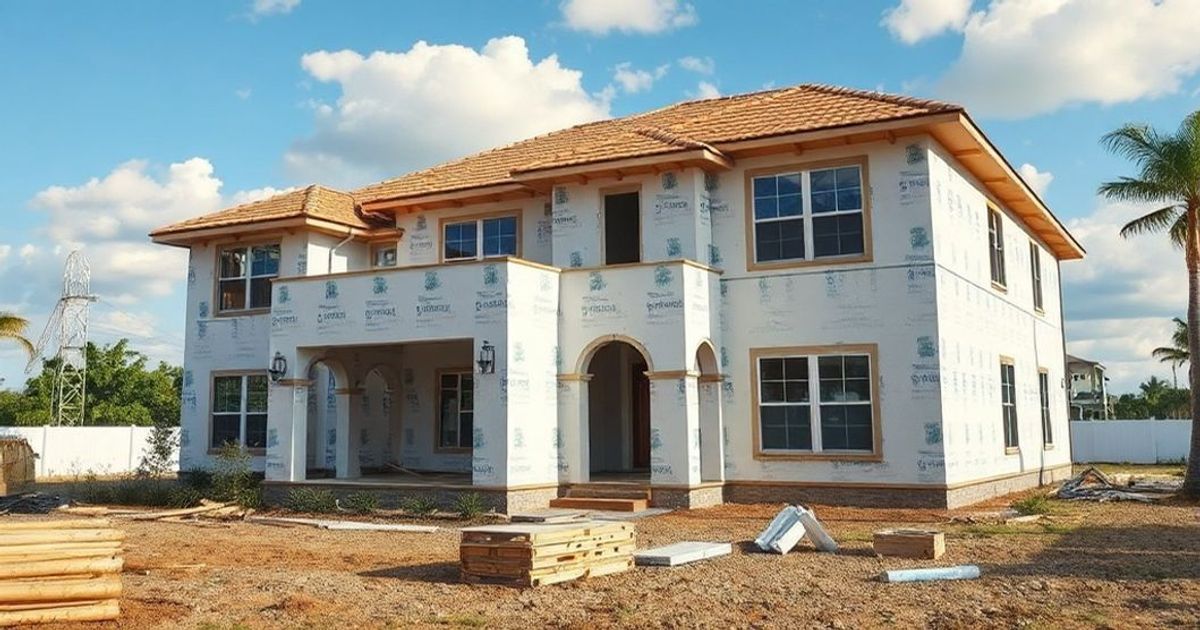
Across Florida, from the Gulf Coast to the Space Coast, retirees and pre-retirees are reporting a similar, distressing story. After contracting and paying substantial sums—often life savings or lump-sum retirement account distributions—for the construction or major renovation of their forever homes, the contractors have vanished. The projects are left as skeletal frames, water-damaged shells, or hazardous construction zones. The emotional toll is captured in the phrase "a 4-year nightmare," but the financial and market implications are profound and far-reaching.
This trend appears exacerbated by post-pandemic supply chain disruptions, labor shortages, and the rapid inflation of construction material costs. Some contractors, having locked in prices with clients but facing soaring own costs, may have abandoned projects to avoid catastrophic losses. Others may be outright bad actors capitalizing on the high demand in Florida's booming retirement destination markets. The result is a loss of confidence that ripples through the entire housing ecosystem.
Market and Sector Vulnerabilities Exposed
For market analysts, this crisis highlights specific vulnerabilities:
- Overheated Regional Markets: Florida's real estate market has seen unprecedented demand. This frenzy can create an environment where due diligence is rushed, and oversight is lax, allowing unreliable contractors to thrive.
- Construction Sector Fragility: Small to mid-sized contracting firms often operate with thin margins. A spike in lumber, concrete, or labor costs can quickly render a fixed-price contract unprofitable, leading to insolvency or abandonment.
- Insurance and Bonding Gaps: Many affected homeowners discover their contractor's performance bond was insufficient or non-existent, and title insurance may not cover incomplete construction. This exposes gaps in financial risk mitigation products.
What This Means for Traders
The fallout from this contractor crisis creates both risks and opportunities across multiple asset classes. Astute traders should monitor these developments closely.
Direct Equity Implications
Publicly traded homebuilders (e.g., D.R. Horton, Lennar, PulteGroup) with operations in Florida may experience a mixed impact. On one hand, they could benefit from a "flight to quality" as potential custom home buyers seek the relative security of large, capitalized national builders. This could boost order books for their active adult communities like those in The Villages or other planned developments. Conversely, a general loss of consumer confidence in Florida home construction could dampen overall market activity. Traders should watch for diverging performance between national builders and smaller, regional players.
Financial and Insurance Sector Effects
Title insurance companies (e.g., Fidelity National, First American) may face increased claims or heightened scrutiny on policies for new construction. Property and casualty insurers could see a rise in claims related to vandalism or damage to unfinished, unsecured properties. Furthermore, regional banks and credit unions that provided construction loans for these projects may face an increase in non-performing assets if projects are abandoned and homeowners default. Short-term, this could pressure regional financial stock prices.
Regulatory and Legal Catalyst Watch
This wave of complaints will inevitably lead to political and regulatory responses. Traders should anticipate:
- Tighter Contractor Licensing Laws: Florida may strengthen licensing requirements, bonding minimums, and escrow rules for contractor deposits. Companies providing surety bonds could see increased demand.
- Consumer Protection Legislation: New laws may create recovery funds or stricter contract disclosure requirements, potentially increasing compliance costs for the construction industry.
- Increased Enforcement Actions: A crackdown could temporarily constrain the supply of legitimate contractors, further inflating construction costs and delays.
These potential catalysts could create volatility for stocks in the home construction, building supply, and related sectors. Options traders might look for increased implied volatility around legislative hearings or major enforcement announcements.
Alternative Investment Angles
The crisis may also influence other markets. An increase in distressed, incomplete properties could eventually create buying opportunities for REITs (Real Estate Investment Trusts) specializing in distressed assets or property rehabilitation. Additionally, if retirees become hesitant to sink capital into single-family homes, there may be increased capital flow into alternative senior living investments, such as senior housing REITs or continuing care retirement community operators.
Conclusion: A Market in Need of Reconstruction
The stories of incomplete retirement homes in Florida are a human tragedy and a stark warning about the fragility lurking within booming regional markets. For traders, this is a multifaceted story of risk transmission—from consumer contracts to corporate balance sheets and regulatory landscapes. The immediate effects may be seen in the volatility of regional bank stocks, homebuilder earnings calls citing Florida market challenges, and insurance sector reserves.
Longer-term, the market's response will be telling. Will capital flow toward larger, more stable players, accelerating industry consolidation? Will new financial products emerge to insure against contractor default? The resolution of this "4-year nightmare" for homeowners will likely shape Florida's real estate and construction investment thesis for years to come. Vigilant monitoring of regulatory developments, corporate earnings in the sector, and housing start data for Florida will be crucial for identifying the turning point and the subsequent opportunities that arise from market dislocations.