Christmas Eve Trading Hours 2024: Market & Bank Closures
Key Takeaways
- The U.S. stock market closes early at 1:00 p.m. ET on Christmas Eve, which falls on a Tuesday in 2024.
- Banks are generally open for standard business hours on December 24th, but branch hours may vary.
- Bond markets also close early, typically at 2:00 p.m. ET, adding to reduced liquidity.
- Forex and cryptocurrency markets operate 24/7, but expect significantly lower trading volumes.
- This shortened session often leads to thin, volatile trading, requiring adjusted strategies.
Understanding Christmas Eve Market Hours
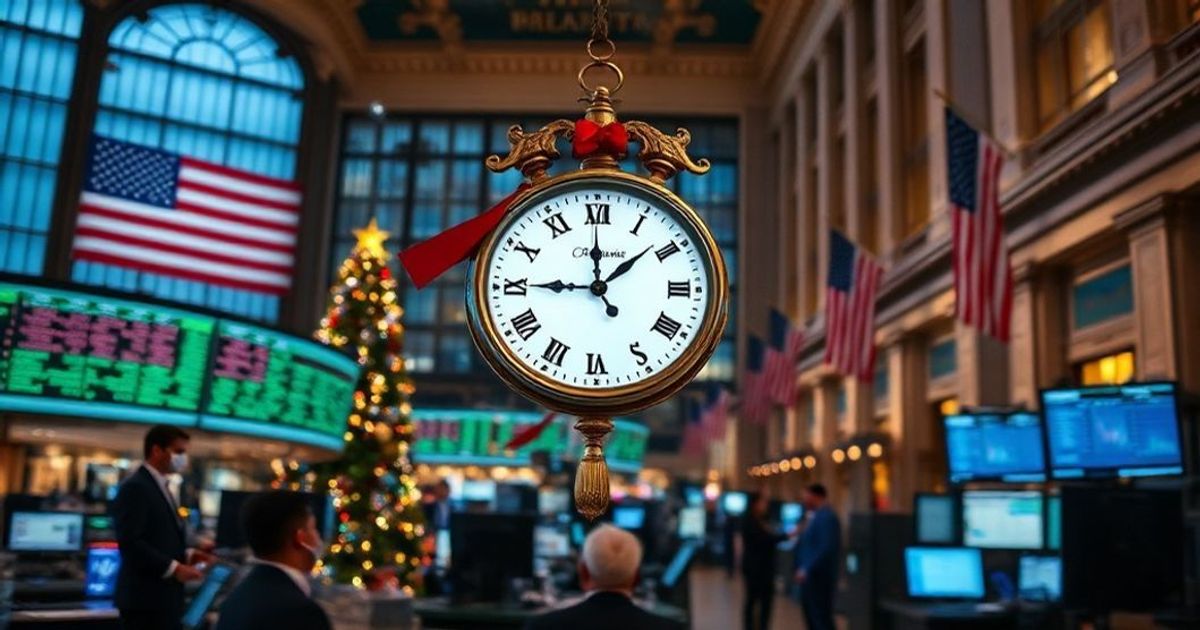
For traders and investors, navigating holiday schedules is a critical part of year-end planning. Christmas Eve, December 24th, is one of several days on the financial calendar with modified hours. In 2024, with Christmas Eve falling on a Tuesday, the major U.S. stock exchanges—including the New York Stock Exchange (NYSE) and the Nasdaq—will operate on a shortened trading schedule. The market will open at its regular time, 9:30 a.m. Eastern Time (ET), but will close early at 1:00 p.m. ET. There is no after-hours trading session following the early close.
This early closure is part of a long-standing tradition for the day before Christmas, allowing market participants and exchange staff time to observe the holiday. It's important to note that while Christmas Day (December 25th) is a full market holiday with no trading, Christmas Eve is technically a trading day, albeit abbreviated. The early close applies to equity and options markets.
Bank Hours on December 24th
Unlike the stock market, the banking system operates differently. The Federal Reserve banks are closed on both Christmas Eve and Christmas Day. However, for consumers and businesses, most retail bank branches remain open for standard business hours on Christmas Eve. It is crucial to check with your specific financial institution, as hours can vary by location and bank. Some branches may close earlier than usual, particularly in the afternoon. All banks will be closed on Christmas Day.
For traders, this means standard electronic fund transfers (EFTs) and wire transfers initiated on Christmas Eve will be processed, but any timing dependent on Fedwire will be delayed until the next business day. Automated Clearing House (ACH) transactions follow a similar pattern.
What This Means for Traders
The early close on Christmas Eve creates a unique trading environment that demands a strategic approach. Here are the critical implications:
1. Anticipate Thin Liquidity and Elevated Volatility
With many institutional desks operating with skeleton crews and a significant portion of market participants away, trading volumes are typically very low. This thin liquidity can lead to exaggerated price moves. A relatively small order can have a disproportionate impact on a stock's price, leading to higher volatility. Traders should be cautious with market orders and consider using limit orders to maintain control over execution prices.
2. Bond Market Closure Compounds the Effect
The bond market also closes early, usually at 2:00 p.m. ET. This removes a key source of market sentiment and can further reduce overall market depth. The absence of bond traders means one less data point for equity traders to gauge interest rate expectations and economic sentiment.
3. Manage End-of-Year Positioning
Christmas Eve often falls during the final week of the year, a period known for "window dressing" by fund managers and tax-loss harvesting by investors. The shortened session can see last-minute adjustments to portfolios. Be aware of potential, sometimes erratic, flows related to these activities rather than fundamental news.
4. Forex and Crypto Markets: Open but Quiet
The foreign exchange (Forex) market operates 24 hours a day, five days a week, and will not close for Christmas Eve. However, liquidity from major U.S. participants will dry up in the afternoon, and the London market will be closed on Christmas Day. Similarly, cryptocurrency markets never close, but trading volumes often plummet during traditional financial holidays, which can increase slippage.
5. Plan for Settlement and Margin
Remember that trade settlement (T+2) and options expiration cycles adjust for holidays. A trade executed on Monday, December 23rd, will settle on Thursday, December 26th, as Christmas Day is not a business day. Ensure your account has sufficient funds to cover settlements and that you understand your broker's margin requirements during this period of potential volatility.
Strategic Approaches for the Shortened Session
Successful navigation of the Christmas Eve session requires a disciplined plan:
- Reduce Position Sizes: Given the low liquidity, consider trading smaller sizes to minimize market impact and risk.
- Avoid New High-Conviction Trades: The distorted price action may not reflect true market sentiment. It's often wiser to avoid entering significant new positions that rely on typical volume and spread conditions.
- Focus on Management, Not Entry: Use the session to manage existing positions—trimming, hedging, or setting stops—rather than seeking new opportunities.
- Beware of the "Santa Claus Rally": While historical trends show a tendency for markets to rise in the last week of December, it is not a guaranteed phenomenon. Don't let seasonal folklore override sound risk management.
Conclusion: A Day for Caution and Preparation
The early market close on Christmas Eve 2024 is more than a simple schedule footnote; it represents a distinct shift in market mechanics. For active traders, it's a day marked by thin liquidity, the potential for unpredictable volatility, and the quiet hum of a winding-down financial year. The best strategy is often one of caution—focusing on risk management over aggressive pursuit of profit. Use the day to prepare for the year-end and the fresh start in January, ensuring your portfolio is positioned according to your plan, not the quirks of a holiday schedule. While banks may be open for business, the market's message is clear: the trading year is drawing to a quiet, early close, offering a moment to step back before the new year begins.