Build a Financial Roof: A Trader's Guide to Budgeting in 2024
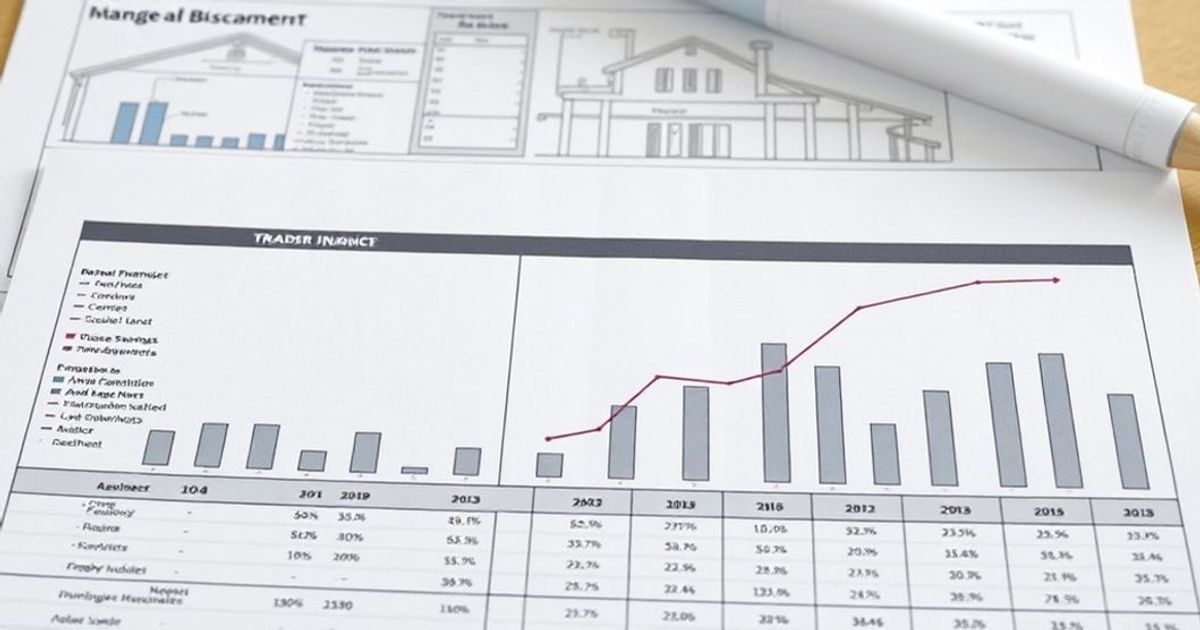
Building Your Financial Roof: Why a Budget is Your First Line of Defense
The analogy is powerful and precise: a budget is the roof over your financial house. Without it, you're exposed to every storm—market volatility, unexpected expenses, and economic downturns. For traders and investors, this isn't just about personal finance; it's about capital preservation and strategic positioning. A robust budget provides the shelter needed to take calculated risks, survive drawdowns, and capitalize on opportunities without jeopardizing your core stability. This guide will deconstruct how to build a budget that doesn't just track expenses but actively fortifies your trading career and financial future.
Key Takeaways
- A budget allocates capital with intention, separating essential living costs, risk capital, and savings, which is critical for maintaining trading discipline during volatile periods.
- Implementing a "Profit-First" budget for trading income forces systematic reinvestment and withdrawal strategies, turning sporadic gains into sustainable wealth.
- Your budget must include a dedicated "Risk Capital" line item, strictly capped as a percentage of your total liquid assets, to prevent emotional overexposure.
- Regular budget reviews act like a quarterly earnings report for your personal finances, revealing cash flow patterns that can inform broader market sentiment.
The Blueprint: Laying the Foundation for a Trader's Budget
Traditional budgeting often focuses on cutting back. For a trader, it's about strategic capital allocation. Your income streams—whether from trading profits, a primary job, or investments—are your resources. The first step is to categorize not by expense type alone, but by financial function.
Start with the non-negotiables: your living expenses (the "walls" of your house). This includes housing, utilities, food, and insurance. This portion must be covered by the most stable, predictable income source. The goal is to completely de-couple your survival costs from the performance of your trading portfolio. Next, establish your financial safety net—an emergency fund covering 6-12 months of expenses. This is the reinforced foundation; it ensures you never have to liquidate a position at a loss to pay a bill.
The Critical Pillar: Isolating and Defining Risk Capital
This is the core of a trader-specific budget. Risk capital is the money you can afford to lose completely without impacting your standard of living or emergency fund. It is not your rent money. A disciplined budget explicitly defines this amount, typically as a small, single-digit percentage of your total liquid net worth. This allocation should be reviewed quarterly, not increased impulsively after a winning streak.
For example, if your total liquid assets are $100,000, your risk capital for active trading might be capped at $5,000 (5%). This cap is your roof's load-bearing limit. Sticking to it prevents a single bad trade or a market black swan event from collapsing your entire financial structure. This capital can be further segmented within your trading plan for different strategies or asset classes, but the overall limit is sacrosanct.
What This Means for Traders
For active traders, a budget transforms from a tracking tool into a risk management framework. It provides the clarity to distinguish between a strategic loss within your plan and a genuine financial threat. When you know your living expenses are secured for the year and your risk capital is clearly defined, you can execute trades without fear or desperation. This emotional discipline is the single greatest advantage a retail trader can have. Furthermore, a budget forces you to "pay yourself first"—allocating a portion of any trading profit directly to savings or reinvestment, compounding your successes systematically rather than spending them sporadically.
Advanced Frameworks: The Profit-First Budget and S-Curve Allocation
Move beyond basic spreadsheets with frameworks designed for variable income:
- The Profit-First Budget: Inspired by the accounting method, allocate percentages of any trading profit immediately upon withdrawal. For instance: 50% to taxes (set aside in a separate account), 20% to personal savings, 20% to reinvest into your trading capital, and 10% for personal reward. This automates wealth building.
- S-Curve Allocation: As your capital grows, your budget percentages should shift. Early on, 80% of surplus might go to building your emergency fund. Once that's solid, the majority might shift to growing risk capital. Later, the focus moves to preservation and income generation. Your budget should reflect this non-linear growth phase.
Using Your Budget to Read the Market
Your personal cash flow and budget adjustments can be a microcosm of the broader economy. Are your essential costs (your personal "CPI") rising faster than expected? Are you having to cut discretionary spending? This real-time data can offer grassroots insight into consumer strength, inflation pressure, and potential market rotations before they appear in lagging economic reports. A trader attuned to their own budget becomes more attuned to macroeconomic shifts.
Conclusion: Your Budget is Your Strategic Command Center
Viewing a budget merely as expense tracking is like viewing a roof as just shingles. It is a dynamic, structural component of your financial architecture. For the trader in 2024, facing potential volatility, geopolitical uncertainty, and shifting monetary policy, a well-constructed budget is the ultimate risk management tool. It provides the dry powder to seize opportunities during market panics and the psychological fortitude to stick to a long-term strategy. Start building your financial roof today. Audit your cash flows, define your risk capital absolutely, and implement a profit-first allocation. The storms will come, but with a solid budget overhead, your financial house—and your trading career—will remain secure, allowing you to trade not just for today's profit, but for lifelong financial resilience.