Beyond the Hype: The U.S. Crypto Regulatory Battlegrounds of 2026
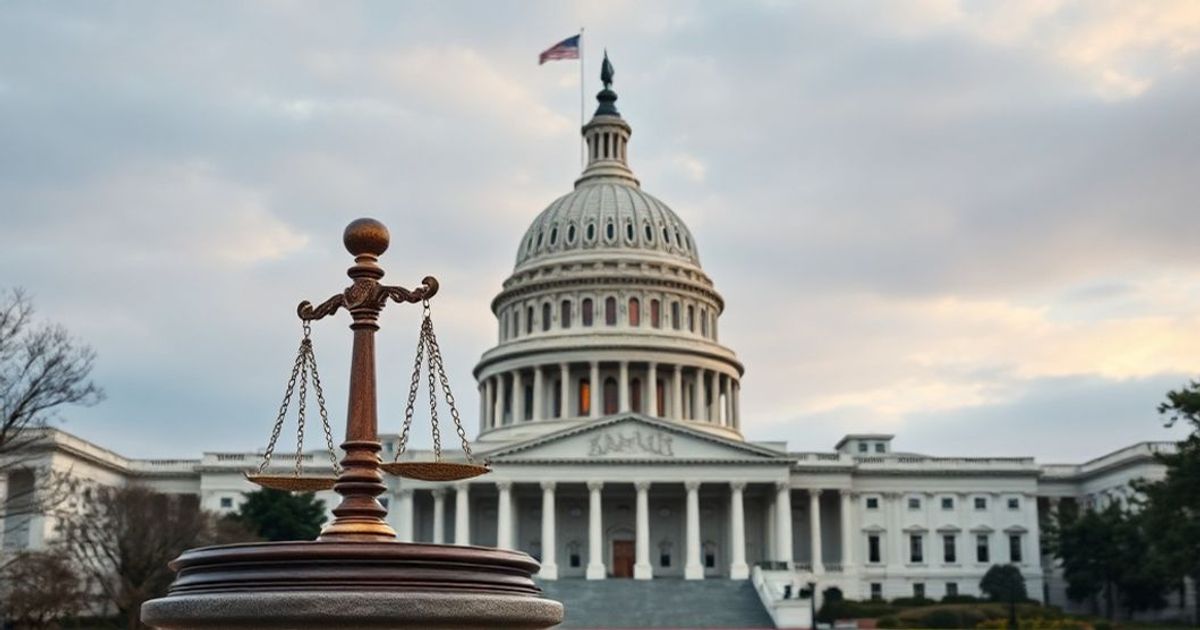
The Policy Pendulum Swings: Setting the Stage for 2026
The seismic shifts in U.S. cryptocurrency policy initiated in 2025 under a new administration have set the stage for a critical year of implementation, legal challenges, and market adaptation in 2026. With a pro-innovation cabinet and legislative momentum, the regulatory landscape is moving from theoretical debate to concrete enforcement and framework development. The coming year will test the durability of these policies and their real-world impact on the digital asset ecosystem.
Key Legislative and Regulatory Fronts for 2026
Industry analysts and legal experts point to several major areas where 2026 will be decisive:
- The Fate of the FIT for the 21st Century Act: Having potentially passed in late 2025, 2026 will be the year of rulemaking. All eyes will be on the CFTC and SEC as they draft the granular regulations defining digital asset commodities versus securities, a process that will shape market structure for years to come.
- Central Bank Digital Currency (CBDC) Ban: If legislation prohibiting a U.S. CBDC was enacted, 2026 will see the Federal Reserve and Treasury Department formally halt all research and development efforts. This could cement the U.S.'s position against a retail CBDC, influencing global central bank strategies.
- SEC Enforcement Under New Leadership: With a likely reconstituted Securities and Exchange Commission, 2026 will reveal whether the agency pivots from litigation to guidance. Key questions include the treatment of Ethereum and other Proof-of-Stake assets, and the approval path for spot ETFs for assets beyond Bitcoin.
- Banking Access & Stablecoin Regulation: The operationalization of a federal stablecoin regime, potentially under the OCC or state regulators, will be a major focus. The ability for crypto firms to secure master account access at the Federal Reserve will be a bellwether for traditional finance integration.
- Tax Clarity and Reporting: The IRS is expected to issue finalized, revised guidance on digital asset taxation, particularly around staking, forks, and decentralized finance (DeFi) transactions, providing much-needed certainty for investors and accountants.
Market Adaptation and International Repercussions
The true test of the 2025 policy revolution will be its execution. In 2026, crypto businesses will navigate a new compliance paradigm, potentially leading to a wave of licensing applications and strategic pivots. Simultaneously, the U.S.'s clearer stance will force a reaction from other major jurisdictions like the EU, which is implementing its MiCA framework, and the UK, potentially creating a regulatory arbitrage landscape that global firms must manage.
Legal scholars also warn of inevitable court challenges in 2026, as previous SEC enforcement actions and older regulatory interpretations clash with the new political and policy direction, ensuring that the judiciary remains a key player in defining the boundaries of crypto law.