Alphabet's 2024 Pullback: Is This the Tech Dip to Buy?
Key Takeaways
Alphabet (GOOGL) is experiencing a notable pullback in 2024 after a stellar 2023. This dip is driven by a mix of broader market rotation, AI investment concerns, and regulatory pressures. For traders, the decline presents a critical juncture to assess the stock's long-term trajectory against near-term headwinds. The core investment thesis around Search, Cloud, and YouTube remains intact, but execution and margin management are now under a sharper microscope.
Understanding Alphabet's 2024 Pullback
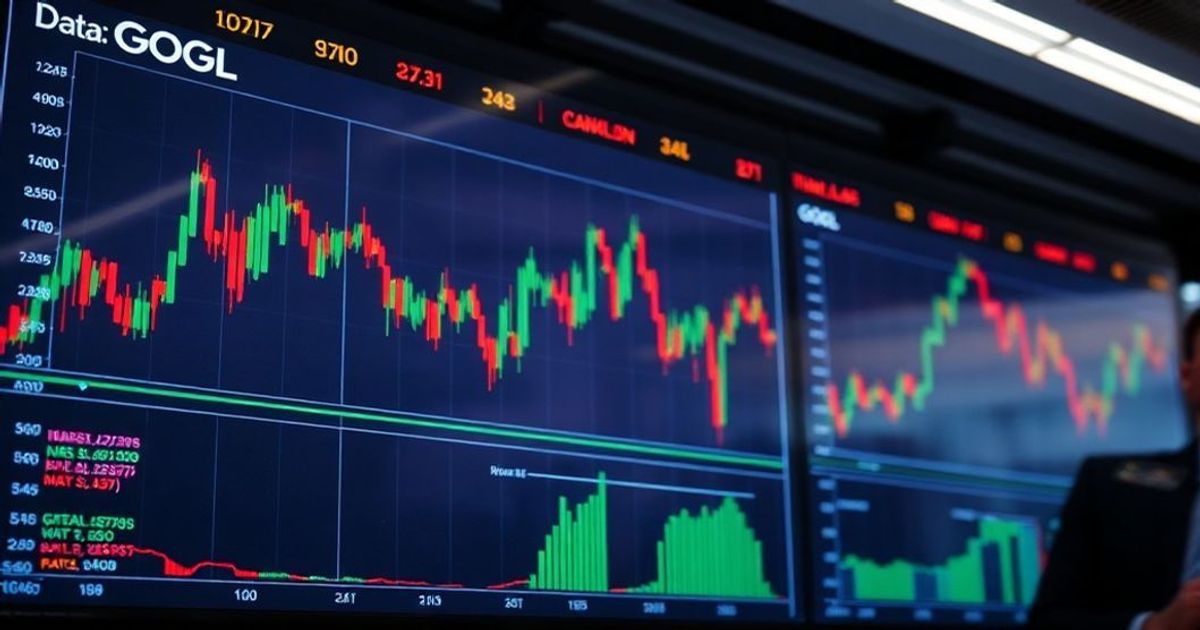
After a powerful rally in 2023 where Alphabet shares surged over 50%, the stock has faced significant pressure in the first half of 2024. This reversal isn't happening in a vacuum; it reflects a shifting landscape for mega-cap tech. The initial euphoria around artificial intelligence (AI) has matured into a phase of scrutiny, where markets are demanding tangible monetization and clear paths to profit. For Alphabet, this means its massive investments in AI infrastructure and products like Gemini are being weighed against their impact on operating margins.
Furthermore, a broader market rotation has seen funds flowing out of the "Magnificent Seven" and into other sectors or equities perceived as having more attractive valuations. Alphabet, alongside some of its peers, has become a source of funds for this rotation. The stock's pullback is also exacerbated by persistent regulatory overhangs, including ongoing antitrust lawsuits in the U.S. and Europe that threaten its core business practices. While these cases may take years to resolve, they create an uncertainty discount that weighs on investor sentiment during risk-off periods.
Dissecting the Catalysts for the Decline
The sell-off can be attributed to three primary catalysts:
- AI Capex Concerns: Alphabet's guidance for sustained, elevated capital expenditures to build out AI infrastructure has spooked some investors worried about near-term profit compression.
- Mixed Cloud Growth Signals: While Google Cloud remains a strong No. 3 player, its growth rate has moderated, and traders are watching for any signs of market share loss to more aggressive rivals.
- Search Evolution Anxiety: The rise of AI-powered search interfaces from competitors like Microsoft/OpenAI has introduced the first credible long-term threat to Google's search dominance in decades, even if the immediate financial impact is minimal.
What This Means for Traders
For active traders, this pullback is not merely a headline; it's a landscape filled with both risk and opportunity. The price action creates defined technical levels to watch, while the fundamental narrative shift requires a reassessment of entry and exit points.
Actionable Trading Insights
1. Technical Levels are Key: Watch for support near the 200-day moving average and prior consolidation zones. A decisive break below these levels could signal a deeper correction, while a firm bounce could indicate the dip is being bought by institutional investors. Resistance will be found at recent breakdown points and the 50-day MA.
2. Options Flow Tells a Story: Monitor the options market for clues. Are large traders buying out-of-the-money puts for protection, or are they selling puts to collect premium, expressing a view that the stock will stay above a certain level? An increase in call buying at lower strikes can indicate smart money accumulating for a rebound.
3. Hedge Your Bets with Pairs Trading: Given the sector-wide rotation, consider a pairs trade. This could involve going long Alphabet while shorting a tech peer that appears more overvalued or has weaker fundamentals, aiming to profit from the relative performance.
4. Earnings as a Catalyst: The next earnings report will be paramount. Focus less on top-line growth and more on management's commentary regarding AI monetization, Cloud margins, and the cadence of future capex. A reaffirmation of long-term margin targets could be the catalyst for a reversal.
Long-Term vs. Short-Term Perspectives
The long-term bull case is compelling: Alphabet owns the world's premier digital advertising real estate (Search & YouTube), has a high-growth cloud business, and possesses the talent, data, and capital to be a leader in AI. Its balance sheet is fortress-strong. For position traders and investors, this pullback could serve as a high-conviction entry point for a multi-year hold.
However, short-term swing traders must respect the current momentum. The trend is bearish until key resistance levels are reclaimed. Trading against the dominant trend requires precise timing, tight risk management, and a willingness to exit quickly if the fundamental narrative deteriorates further (e.g., a significant drop in search ad pricing power).
Conclusion: Navigating the Dip
Alphabet's 2024 pullback is a classic test of conviction. It separates speculative momentum traders from those who believe in the company's enduring moats. The current price action reflects a market repricing from unbridled AI optimism to a more measured assessment of costs and competition.
For the disciplined trader, this environment is ripe with opportunity. The strategy is clear: define your time horizon. Short-term traders should play the technicals and volatility, using options to define risk. Long-term investors should view this weakness as a chance to build a core position in a world-class business at a more reasonable valuation, but consider scaling in gradually rather than buying the entire position at once.
The coming quarters will be telling. If Alphabet can demonstrate that its AI investments are beginning to generate efficient revenue—through improved ad products, cloud offerings, or new subscriptions—the 2024 pullback will likely be remembered as a buying opportunity. If margin pressure persists without clear growth acceleration, the stock may remain range-bound. The dip is real, but whether it's "the dip to buy" depends entirely on your strategy and the company's forthcoming execution.